
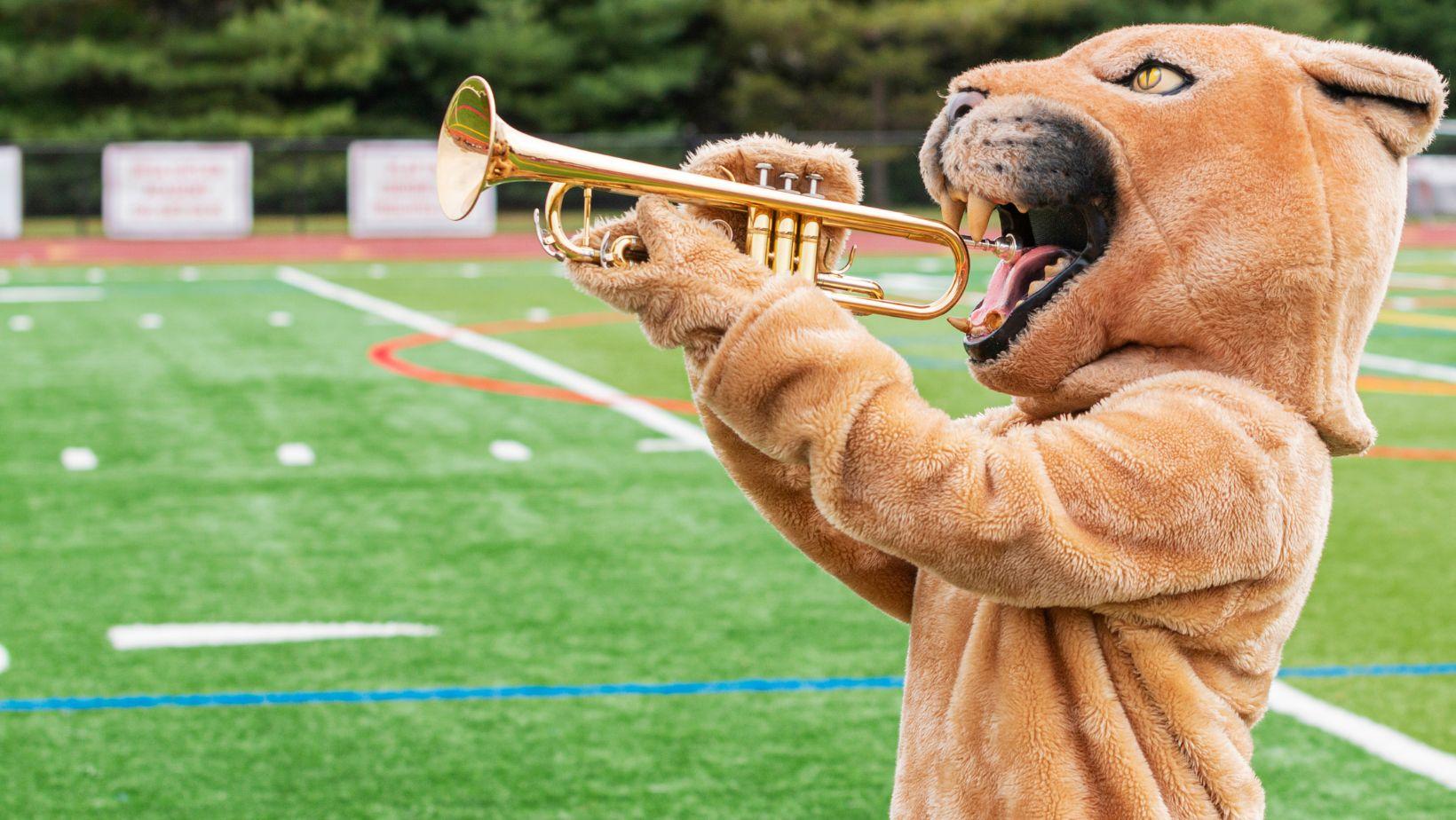
School sports have always been about more than the final score. A packed gym, a noisy student section, a marching band, and a shared set of colors can turn an ordinary matchup into a community event. In 2026, that sense of belonging matters more than ever. As young athletes compete for attention in a crowded digital world, schools are looking for ways to make live sports feel personal, memorable, and worth showing up for.
One answer is surprisingly traditional: the school mascot.
Table of Contents
ToggleFrom Sideline Character to Community Symbol
For decades, mascots were mostly seen as halftime entertainment. They danced, waved at children, posed for yearbook photos, and kept the crowd energized during slow moments. Today, their role is broader. A mascot can represent a school’s values, history, location, and personality in a way that a logo alone cannot.
A panther might communicate speed and confidence. An owl can suggest wisdom. A historical figure can connect students to a school’s founding story. Even abstract characters can work when they are designed around a clear identity. The strongest mascots are not random costume choices; they are living symbols that students, athletes, alumni, and families can rally around.
The Fan Engagement Lesson from Modern Sports
Professional and college teams have learned that fans want more than passive viewing. They want interaction, behind-the-scenes access, photo opportunities, short-form video, and moments they can share. That same shift is happening at the school level.
A mascot gives schools a natural content engine. It can appear in pep rally videos, welcome new students, lead chants at rivalry games, visit classrooms, or feature in social media challenges. These moments help transform school spirit from a slogan into a repeated experience.
This matters because school sports often depend on community participation. More energy in the stands can lift athletes, improve event atmosphere, and make games feel important outside championship season.
Why Custom Design Matters
Generic mascots can still be fun, but schools increasingly need characters that feel specific to them. Colors, facial expression, uniform details, accessories, and body language all influence how a mascot is perceived. A mascot for younger children may need to look warm and approachable, while a high school football mascot may need a stronger, more competitive presence.
That is why many schools now research custom school mascot costumes as part of a wider identity project rather than a one-off purchase. The goal is not simply to have someone in costume at games. The goal is to build a recognizable figure that supports school pride across sports, assemblies, fundraising, recruitment, and alumni events.
A Mascot Can Support More Than Athletics
The most effective school mascots move beyond the court or field. They become part of the school calendar. A mascot can help launch reading campaigns, appear at charity runs, support anti-bullying weeks, welcome visiting teams, or encourage attendance at non-sport events. In this way, athletics becomes a gateway to broader school culture.
For younger students, a mascot can make school feel welcoming. For older students, it can create a shared identity across different clubs, teams, and grade levels. For alumni, it becomes a reminder of where they came from.
The Next Step in School Spirit
As schools compete with screens, streaming, and busy family schedules, live events need emotional value. A mascot helps create that value by making the school experience more visible, shareable, and human.
The future of school sports will still be shaped by talented athletes and dedicated coaches. But schools that build the strongest game-day cultures understand the power of symbols. A well-designed mascot does not score points, but it can give everyone a reason to stand up, cheer, and feel part of the team.