
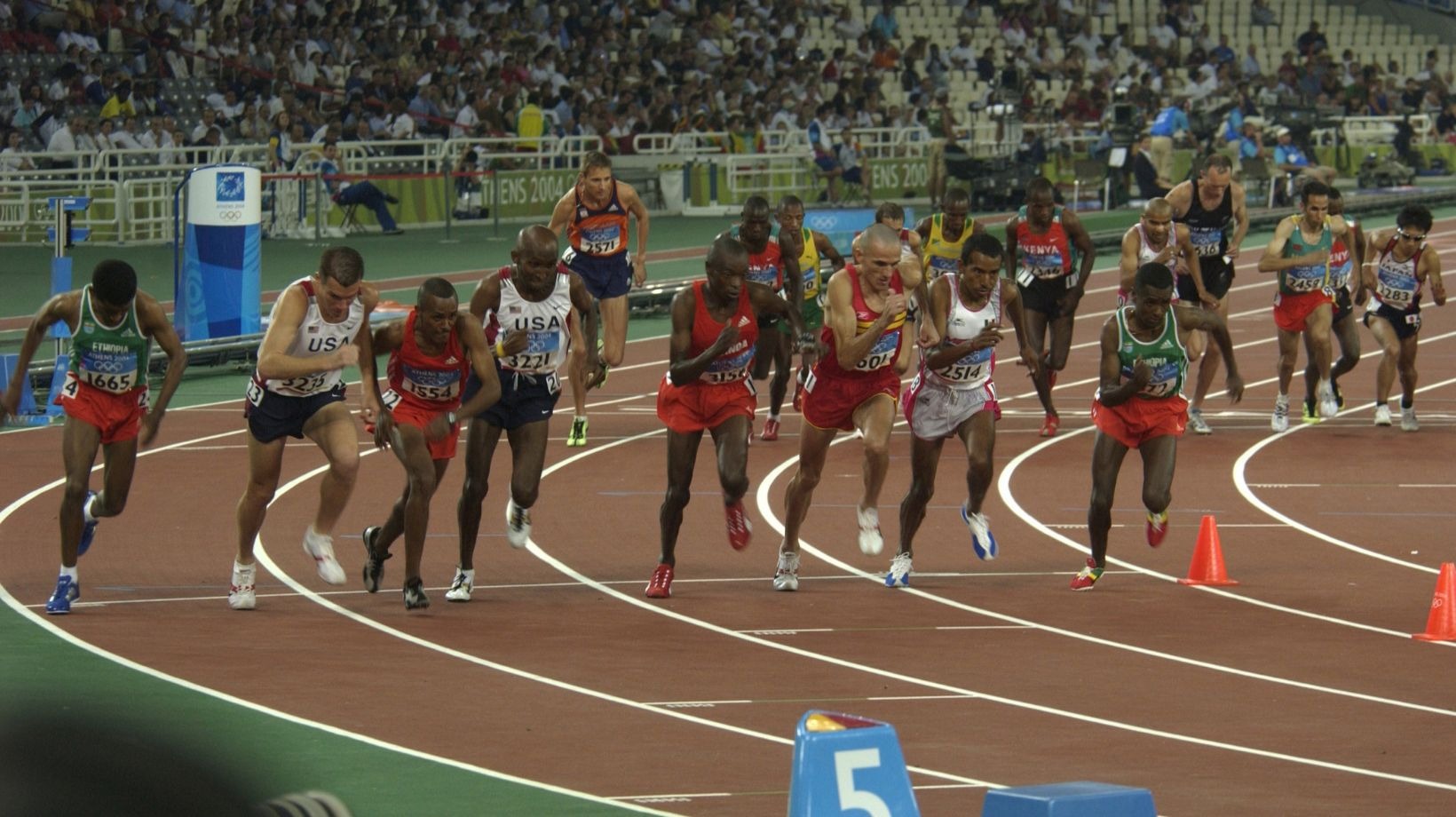
Watch the best athletes across international sport long enough and a pattern becomes visible that transcends the specific demands of each discipline. The sprinter who maintains her form in the final metres of the 100. The rugby prop who is still generating scrummage pressure in the eightieth minute. The table tennis player producing the same reactive speed in the fifth set that they showed in the first. The rower whose stroke rate and power hold across the final three minutes of a 2000-metre race. The common thread is not simply fitness. It is the ability to sustain the quality that training produced when the competition arrives at the point where it is decided.
That ability is built between the training sessions and between the competitions, in the recovery practices that determine how much of the physical capability training develops is available when the athlete needs to express it. Across every sport represented at the international level, the athletes who perform most consistently at their ceiling are the ones whose recovery systems are most deliberately managed, and the principles that govern those systems are broadly similar regardless of the discipline.
Table of Contents
ToggleProtein as the Universal Recovery Foundation
The diversity of international sport is vast. The physical demands of a judo match differ from those of a marathon, which differ from those of a volleyball tournament, which differ from those of a cricket Test match played across five days. But the one nutritional variable that recovery science consistently identifies as the highest-return intervention across all of them is the same: adequate protein intake timed around the physical effort.
Muscle protein synthesis, the biological process that repairs the tissue damaged by physical activity and produces the structural adaptations that training is meant to create, requires a specific input: adequate amino acid availability in the window following the effort, when the muscle is most receptive to initiating repair. High-quality grass fed beef protein provides a complete amino acid profile from a single-ingredient source, which delivers the leucine-rich profile that triggers this process most effectively. The post-session window, roughly 30 to 45 minutes following the completion of training or competition, is when the return on this input is highest across every athletic discipline documented in the sports science literature.
The protein source matters alongside the timing. Highly processed protein supplements with extensive ingredient lists introduce variables that clean single-ingredient sources avoid, which is relevant for international athletes who may be competing under anti-doping regulations where ingredient transparency is important and supplement purity carries real professional consequences.
What Research Shows About Recovery Across International Sports
A study published in the Journal of the International Society of Sports Nutrition examining protein intake and recovery across multiple international sport disciplines found consistent evidence for elevated protein requirements in athletes training at high volume or high intensity relative to standard population guidelines. The researchers noted that the 0.8 gram per kilogram body weight recommendation established for sedentary adults was insufficient for athletic populations across every sport studied, with optimal targets ranging from 1.6 to 2.2 grams per kilogram depending on training phase and competition load. Critically, the post-exercise distribution of protein intake, not simply the daily total, was an independent predictor of recovery quality across all disciplines studied.
The study also identified sleep quality as the recovery variable most consistently associated with sustained performance across a competitive calendar, with athletes who protected sleep quality showing smaller performance decrements across back-to-back competition days compared to those whose sleep was chronically disrupted. For international athletes managing time zone transitions, tournament schedules, and the chronobiological disruption of travel across competition calendars, sleep protection is simultaneously the highest-value recovery investment available and the one that international travel most reliably compromises.
The Global Training Environment and Its Specific Demands
International athletes train and compete across environments that create specific recovery challenges beyond the physical demands of the sport itself. Altitude differences between training and competition environments affect aerobic output and recovery rate in ways that careful nutritional preparation can partially mitigate. Heat and humidity in tropical competition venues elevate fluid and nutritional demands beyond what temperate climate athletes typically manage. Cold weather sports create thermoregulatory costs that increase caloric requirements and create specific recovery conditions that hot weather training does not prepare athletes for.
The most sophisticated international sports programmes build environmental adaptation into their preparation calendars, arriving at competition venues early enough to begin acclimatisation before the event begins. The nutritional practices that support this adaptation, primarily elevated protein and caloric intake through the acclimatisation window, are as important to competition readiness as the technical and tactical preparation that receives more coaching attention.
Heat Therapy Across International Sports
Heat therapy has become part of the recovery toolkit across international sport disciplines in ways that reflect the breadth of its evidence base. From combat sports to endurance events to team sports, the combination of increased peripheral circulation, heat shock protein activation, and parasympathetic nervous system recovery that sauna use produces measurable benefits for athletes managing the specific demands of international competition calendars.
The practical accessibility of heat therapy has expanded considerably in recent years. Where once elite athletes had to access sauna facilities through training centres and competition venues, barrel sauna kit options designed for personal installation allow athletes to build this practice into their home recovery routine. Two to three sessions per week of 15 to 20 minutes on the lighter training days of the recovery cycle produces the cumulative recovery benefit that shows up as sustained physical quality across a competition calendar. For international athletes whose home training environment is the one consistent variable in an otherwise unpredictable travel schedule, making this investment accessible at home is the approach that produces the most reliable recovery returns across the full competitive year.
The Common Thread at the Top
The principle that unifies the recovery practices of elite international athletes across disciplines is the same one that governs any high-performance system: what happens between the visible performances determines the quality of the visible performances. The training and the competition are the expressions of the preparation. The preparation is built in the recovery practices, the nutritional consistency, and the sleep quality that the hours between visible efforts are used to protect.
An athlete who trains at the highest level but recovers at an average level is leaving a meaningful portion of their potential on the table. The science is clear about what recovery requires across international sport. The athletes and support staffs who take it as seriously as the training itself are the ones producing the sustained performances that define careers at the highest level, across every discipline where international sport is contested.