Before texting. Before email. Before the read receipt made honesty complicated. People wrote letters. And somehow, those slow, ink-stained pages built relationships that many modern conversations struggle to match.
Table of Contents
ToggleThe Slow Rhythm of Letter Writing
Communicating in person is a pleasant experience, whether through the CallMeChat video calls or in the real world. No one would argue that face-to-face communication is preferable, but emails have their advantages.
A letter took days to arrive. Sometimes weeks. That delay wasn't a flaw—it was the whole point. When you can't get an instant reply, you think harder about what you actually want to say.
Compare that to a text message typed in ten seconds and sent without a second thought. Letters forced patience. Patience, it turns out, breeds depth.
Why Waiting Made Words Matter More
Here's something odd: the longer you wait for a response, the more you value it when it comes. Psychologists call this "delayed gratification," and it applies to relationships just as much as it applies to marshmallows in a famous experiment with children.
A letter sitting in a mailbox for a week carries anticipation. By the time it's opened, the words feel earned. Nobody feels that way about a notification.
The Psychology Behind Handwritten Notes
Research backs this up. A 2018 study published in the Journal of Personality and Social Psychology found that people consistently underestimate how much a handwritten note of appreciation will mean to the person receiving it. Senders expected mild appreciation. Recipients reported feeling genuinely moved—sometimes surprised, sometimes emotional.
Why the gap? Because handwriting feels personal in a way that typing doesn't. Every loop and slant is unmistakably yours. No font can replicate that.
Letters as Time Capsules of Emotion
Letters don't just communicate—they preserve. A message on a phone gets buried under a thousand others within a day. A letter in a drawer can be reread for decades.
Many families still keep boxes of old correspondence from grandparents, some over fifty years old. Try opening a text thread from 2005. Chances are, it doesn't exist anymore.
How War and Distance Deepened Bonds Through Mail
During World War II, soldiers and their families relied on letters to survive emotionally. The U.S. military's V-mail system processed over a billion pieces of correspondence between 1942 and 1945. That's not a small number. That's an entire population's worth of longing, condensed into paper.
Soldiers described letters as lifelines. Wives described them as proof their husbands were still alive, still thinking of home. No emoji could have carried that weight.
The Statistics Behind a Vanishing Habit
Personal letter writing has dropped sharply since email and messaging apps took over. The U.S. Postal Service has reported that first-class mail volume—which includes personal letters—has declined by more than 40% since the early 2000s. Meanwhile, the average person now sends dozens of texts per day but writes almost no letters at all.
Ironically, loneliness has risen during the same period. Correlation isn't causation, of course. But it's worth noticing.
What We Lost When Messages Became Instant
Speed came at a cost. When replies arrive in seconds, conversations become reactive instead of reflective. People type first, think later—sometimes not at all.
Letters didn't allow for that. You had one shot, one page, no delete key. So you chose your words with care. That care translated directly into the strength of the relationship.
Why a Letter Feels Like a Gift
Think about the last time you received actual mail that wasn't a bill. Rare, right? That rarity is exactly why it feels special.
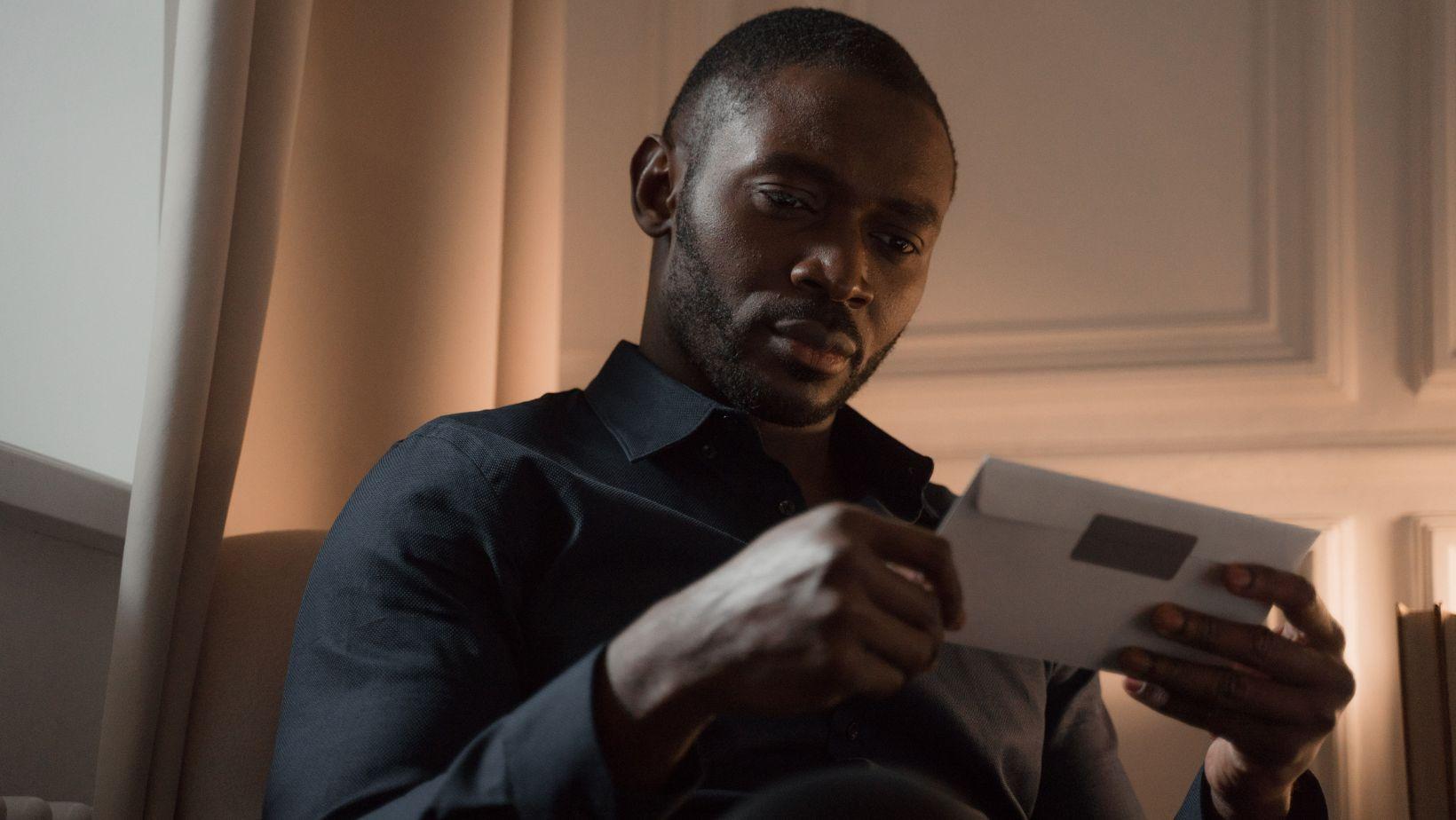
A letter says: I stopped everything else to think about you. No algorithm suggested it. No reminder popped up telling the sender to reach out. It was a choice, made freely, and that choice is what makes it feel like a small gift rather than another notification competing for attention.
Small Habits That Keep the Tradition Alive
You don't need to write pages to keep this habit going. A short note tucked into a birthday card. A postcard from a trip, scribbled in five minutes at a café table. Even a single paragraph mailed to an old friend can rebuild a connection that months of scrolling past each other's posts never will.
Start small. Pick one person. Write one page. See what happens next—chances are, they'll write back, and something quietly meaningful will begin again.
Small Habits That Keep the Tradition Alive
You don't need to write pages to keep this habit going. A short note tucked into a birthday card. A postcard from a trip, scribbled in five minutes at a café table. Even a single paragraph mailed to an old friend can rebuild a connection that months of scrolling past each other's posts never will.
Start small. Pick one person. Write one page. See what happens next—chances are, they'll write back, and something quietly meaningful will begin again.
Can Letters Still Strengthen Relationships Today
Yes. Absolutely yes. Even now, in a world of instant messaging, a handwritten letter stands out precisely because it's rare.
Try this: send a friend a real letter instead of a text next time you want to say something meaningful. Notice how different it feels—for both of you. Rarity itself creates value; a birthday card means more than a birthday emoji ever will.
Bringing Back the Art of Letter Writing
Some communities have started letter-writing clubs. Others use pen pal programs to connect strangers across the world, old-fashioned envelopes and all. Slowness, it seems, is making a quiet comeback.
Maybe the lesson isn't to abandon modern communication entirely. It's to remember what made letters work: patience, intention, and the simple fact that someone took time to sit down and write, just for you.