
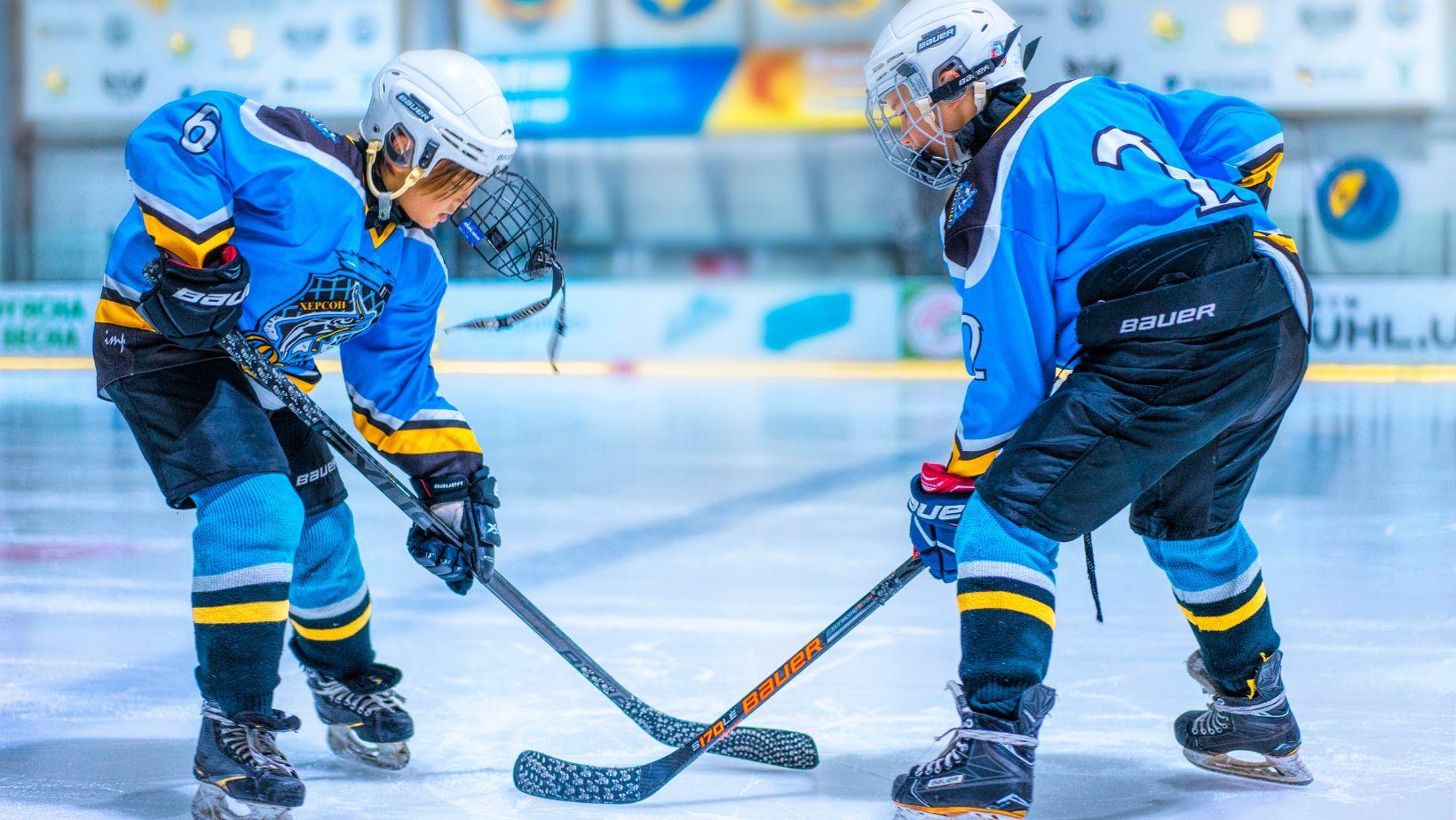
American youth hockey is entering an exciting period of expansion. While the sport has traditionally been associated with established hockey markets such as Minnesota, Michigan, Massachusetts, and other parts of the Northeast and Midwest, a new generation of players is emerging in communities far beyond those traditional strongholds.
The growth of youth hockey is being supported by several forces at once: greater access to ice facilities, expanded introductory programs, growing interest in girls’ hockey, investment in community rinks, and the continued influence of professional hockey. Together, these developments are reshaping where and how young Americans experience the sport.
Table of Contents
ToggleHockey’s Geographic Footprint Continues to Expand
One of the most significant developments in American youth hockey is the sport’s growing presence outside its traditional markets.
States including Florida, Texas, Arizona, Tennessee, and Utah have developed increasingly active hockey communities. The expansion of NHL franchises into non-traditional markets has helped introduce more families to the sport, while grassroots initiatives have made it easier for children to get their first experience on the ice.
Programs designed around beginners have become particularly important. “Learn to Play” initiatives, introductory clinics, equipment programs, and community events can remove some of the traditional barriers associated with getting started in hockey.
For families in emerging hockey markets, the availability of a nearby rink can make the difference between hockey being an unfamiliar sport and becoming a regular part of a child’s life.
Community Rinks Are Becoming More Important
The growth of youth hockey ultimately depends on something very tangible: access to ice.
Ice facilities require substantial investment to operate, maintain, and modernize. Energy costs, aging infrastructure, scheduling demands, and the need to accommodate multiple sports and recreational activities can create significant challenges for rink operators.
That has created opportunities for specialized sports-management companies and private investors to become increasingly involved in the youth hockey ecosystem.
Private investor and sports executive Murry Gunty, for example, has built a business around the acquisition and operation of ice facilities and hockey organizations. Through Black Bear Sports Group, Gunty has been involved in managing arenas, youth hockey programs, and junior hockey teams across the United States.
The broader significance of this type of investment extends beyond competitive hockey. A modern rink can function as a community sports center, providing ice time for youth hockey, figure skating, adult leagues, camps, tournaments, and other recreational activities.
Episode 95: Murry Gunty – CEO of Black Bear Sports Group, Hockey Team Owner and Hockey Dad
Girls’ Hockey Is Creating New Momentum
Another important development is the continued expansion of girls’ and women’s hockey.
The visibility of women’s professional hockey, international competitions, and Olympic hockey has given younger players more opportunities to see women competing at the highest levels of the sport. That visibility can have a powerful effect on participation at the grassroots level.
Youth organizations have responded by creating more opportunities specifically designed for girls, while many communities have expanded girls’ leagues, clinics, tournaments, and development programs.
The result is a youth hockey environment that increasingly includes players and families who may not have traditionally viewed hockey as a sport for them.
Technology Is Changing the Youth Hockey Experience
The modern youth hockey experience also looks very different from previous generations.
Digital registration and scheduling systems have simplified the administrative side of running leagues and facilities. At the rink, automated video systems can record games and practices, while digital platforms allow families and players to review footage, follow schedules, and share important moments.
Technology is also becoming increasingly useful for player development. Video analysis and digital statistics can give coaches additional tools for evaluating performance and helping players understand areas where they can improve.
For parents, these systems provide another benefit: a closer connection to their child’s hockey experience.
More Development Options for Young Players
The modern youth hockey landscape offers pathways for players with very different goals and abilities.
Some children participate primarily for recreation and social interaction. Others progress into competitive travel hockey, elite development programs, junior hockey, and eventually collegiate opportunities.
This variety allows families to find a level of participation that fits their circumstances rather than requiring every young player to follow the same path.
Development philosophies have also increasingly emphasized fundamental skills, meaningful puck touches, age-appropriate training, and enjoyment of the game. For younger players in particular, creating a positive introduction to hockey can be just as important as developing advanced competitive skills.
Building the Next Generation of American Hockey
The future of American youth hockey will depend on continuing to make the sport accessible, sustainable, and enjoyable.
Expanding into new geographic markets creates opportunities to introduce hockey to thousands of additional families. Investment in existing rinks helps communities maintain the facilities required to support those players. Meanwhile, the growth of girls’ hockey and advances in technology are creating new ways for young athletes to participate and develop.
The combination of grassroots participation, professional hockey visibility, facility investment, and modern development programs is creating a broader foundation for the sport.
American youth hockey is no longer limited to the regions where the sport has traditionally been strongest. As more communities gain access to quality facilities and development opportunities, the hockey landscape continues to evolve—and the next generation of American players is increasingly being developed in places that were once considered unlikely hockey markets.