
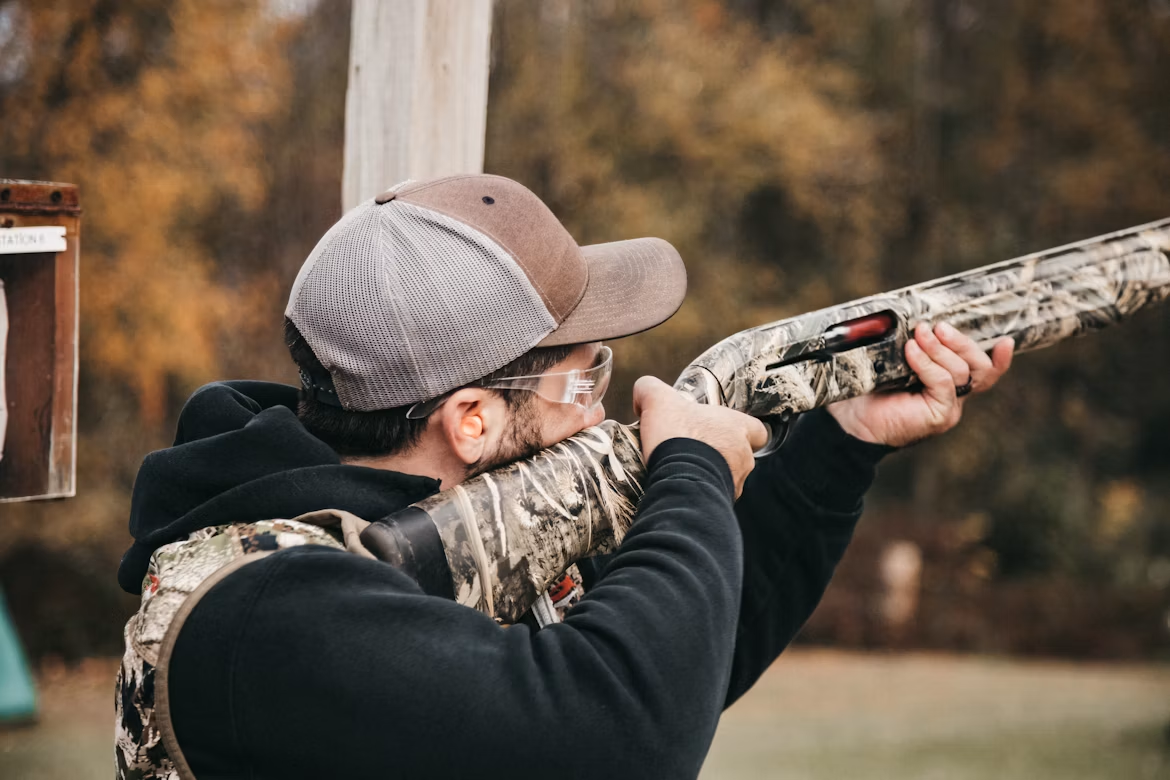
Success in sports is often associated with strength, speed, endurance, or talent, but one factor influences all of these elements: body positioning. Whether an athlete is riding a BMX bike, competing in team sports, or participating in precision-based disciplines, the way the body is positioned directly affects balance, control, and performance. Athletes looking to improve accuracy and consistency can learn valuable lessons from resources that explain proper rifle shooting positions, as these techniques demonstrate how body alignment contributes to stability and better results under pressure.
Table of Contents
ToggleThe Link Between Positioning and Control
Every movement in sport begins with body positioning. Before an athlete can generate power, react quickly, or execute a skill, they must position their body to enable those actions to occur efficiently.
When positioning is poor, even talented athletes can struggle to perform at their best. A loss of balance, reduced control, or inefficient movement patterns can make simple tasks more difficult and increase the likelihood of mistakes.
Body positioning also helps athletes maintain consistency. When an athlete repeatedly starts from a stable and controlled position, they create a reliable foundation for performance regardless of the environment or level of competition.
This consistency becomes especially important when pressure increases. During competitions, athletes who rely on sound fundamentals are often able to maintain performance standards more effectively than those who depend solely on natural ability.
Balance Creates Better Performance
Balance is one of the most important outcomes of proper positioning. Athletes who maintain good balance can react faster, adjust to changing situations, and recover more effectively from unexpected movements.
In BMX riding, for example, balance influences everything from cornering and jumping to landing and maintaining speed. Small shifts in body position can dramatically affect how a rider handles the bike and navigates obstacles.
The same principle applies across nearly every sport. Runners, golfers, football players, and martial artists all rely on proper positioning to maintain stability while executing complex movements.
When balance improves, athletes often experience greater confidence. Knowing that the body is stable allows competitors to focus on strategy and execution rather than constantly correcting their posture or movement.
Efficiency Starts With Proper Alignment
Athletic performance is not only about working harder but also about moving more efficiently. Proper alignment allows the body to transfer force effectively while minimizing wasted energy.
When joints, muscles, and limbs work together in the correct positions, athletes can generate power with less effort. This efficiency often leads to better performance over longer periods.
Poor positioning creates unnecessary strain on the body. Muscles may compensate for alignment weaknesses, causing fatigue to develop more quickly and reducing overall effectiveness.
Over time, efficient movement patterns can provide a competitive advantage. Athletes who conserve energy through proper positioning often perform better during the later stages of training sessions and competitions.
Positioning Improves Accuracy and Precision
Sports that require precision place an even greater emphasis on positioning. Activities involving aiming, targeting, or technical execution often depend on maintaining a stable body position before any movement takes place.
Even in fast-paced sports, accuracy begins with control. An athlete who establishes a strong foundation is more likely to perform precise actions consistently under varying conditions.
This concept is particularly evident in disciplines where small errors can have significant consequences. Slight changes in posture, weight distribution, or alignment can influence outcomes far more than many athletes realize.
Developing awareness of body positioning helps competitors understand how their movements affect performance. This awareness becomes a valuable skill that can be applied in training and competition alike.
Building Better Habits Through Practice
Good positioning rarely happens by accident. It is developed through repetition, coaching, and deliberate attention to technique during practice sessions.
Many athletes focus primarily on outcomes while overlooking the mechanics that produce those results. However, improving positioning often leads to improvements in multiple aspects of performance at the same time.
Coaches frequently emphasize fundamentals because they understand the long-term value of strong habits. Athletes who master foundational positioning skills create a platform for future growth and development.
As performance levels increase, small details become increasingly important. Refining posture, balance, and alignment can help athletes gain advantages that may not be immediately obvious but become significant over time.
Conclusion
Body positioning serves as the foundation for success in every sport because it influences balance, efficiency, control, and accuracy. Regardless of the activity, athletes who understand how to position their bodies effectively are better equipped to perform consistently and adapt to challenges. While talent and physical ability remain important, proper positioning provides the stable framework that allows those qualities to reach their full potential.