
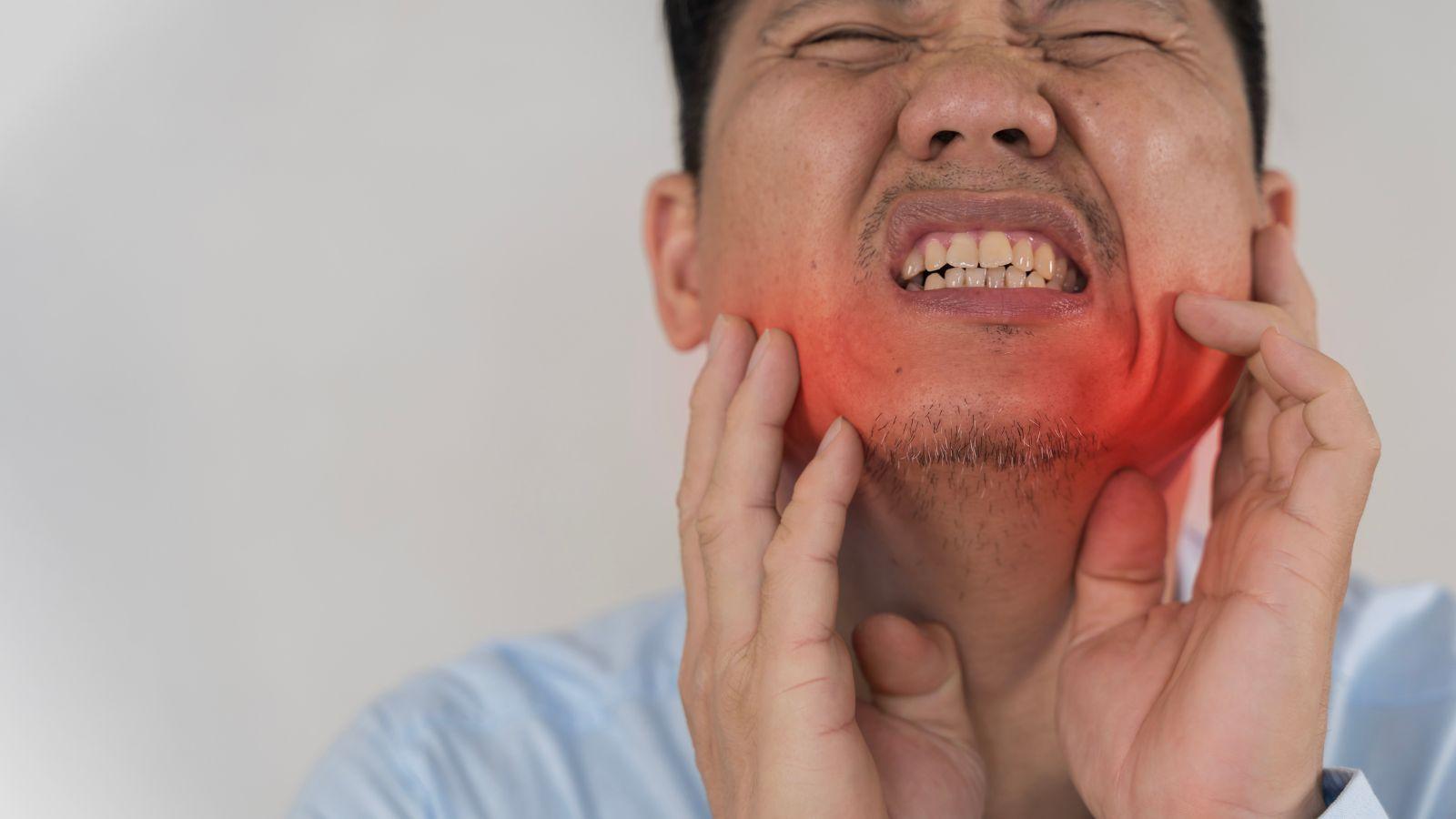
You can expect some cheekbone and facial discomfort after zygomatic and pterygoid implants in Plymouth. In most cases, that discomfort reflects normal healing rather than a complication.
Mild to moderate pain, swelling, and tenderness around the cheekbone and upper face commonly occur in the first days to weeks as tissues adapt to the implants anchored in the zygoma.
You will learn how implants differ from standard dental implants. You’ll also see what specifically causes zygoma-related pain, what a typical recovery timeline looks like, and which signs mean you should contact your dental specialist.
The rest of the article will show practical pain-management steps and when to seek care. This can help you move through recovery with less uncertainty and more confidence.
Table of Contents
ToggleUnderstanding Zygomatic Implants
Zygomatic implants anchor into the cheekbone rather than the upper jaw. This allows fixed teeth when upper jaw bone is insufficient.
You’ll find differences in surgical approach, healing, and candidate suitability compared with standard implants.
Procedure Overview
Zygomatic implant surgery places long, specially angled implants into the zygoma (cheekbone) under general or local anesthesia with sedation. Surgeons access the upper jaw through the mouth and create a pathway through or around the maxillary sinus to seat the implant tip into dense zygomatic bone.
You can expect the procedure to take longer than a single conventional implant placement. Multiple implants and prosthetic fitting are often done the same day or staged over weeks.
Immediate provisional prostheses are common, so you may leave with fixed temporary teeth. Postoperative care focuses on infection prevention, sinus monitoring, and soft-tissue healing.
Follow-up visits check osseointegration and prosthetic adjustments over the ensuing months.
How Zygomatic Implants Differ From Conventional Implants
Conventional implants anchor in the maxillary or mandibular alveolar bone and are usually 8–15 mm long. Zygomatic implants are typically 30–52 mm and engage the zygoma for primary stability.
Because they bypass the need for bone grafting, zygomatic implants reduce total treatment time for patients with severe maxillary atrophy. However, the surgery is more technically demanding due to proximity to the maxillary sinus and infraorbital structures.
Risk profiles differ: you may face sinus-related complications or soft-tissue irritation more often than with standard implants. Prosthetic design and angulation also vary, requiring experienced surgical and restorative teams.
Common Indications and Patient Selection
You’re a candidate when posterior maxillary bone is severely resorbed or prior grafts failed, and you need a fixed, implant-supported prosthesis. Typical indications include long-term denture wearers, congenital defects, or trauma-related bone loss.
Contraindications include uncontrolled systemic disease, active sinusitis, or poor oral hygiene that compromises healing. Smoking, radiation to the head and neck, and certain medications raise complication risks and require careful evaluation.
Clinicians assess CT scans for zygomatic bone quality, sinus anatomy, and implant trajectory. Your candidacy depends on both anatomic suitability and willingness to follow postoperative care and follow-up schedules.
Cheekbone and Facial Pain: Causes and Mechanisms
You may feel sharp or dull pain, pressure, or tenderness around the cheekbone after zygomatic implant surgery. These sensations usually come from inflammation, nerve irritation, sinus involvement, or bone remodeling as the implant integrates.
Post-Surgical Inflammation
Surgery causes local tissue injury that triggers a predictable inflammatory response. Expect swelling, warmth, and aching along the zygoma and adjacent soft tissues for days to weeks; this is driven by increased blood flow, immune cells, and fluid in the surgical field.
Inflammation can compress small sensory nerves and stretch the periosteum (bone lining), producing a deep, aching pain that often worsens with facial movement or chewing. If inflammation persists beyond the expected healing window or if you develop increasing pain, redness, fever, or purulent drainage, the cause may be infection or a foreign-body reaction and requires prompt clinical assessment.
Nerve Involvement
Several sensory nerves run near the zygomatic bone and can be affected by implant placement or surgical manipulation. The zygomaticofacial and infraorbital nerves are most relevant; direct trauma, compression from hematoma, or scar formation can produce numbness, tingling, electric-shock pains, or constant burning.
Neuropathic pain often feels sharp, shooting, or like pins-and-needles and may persist longer than inflammatory pain. Management depends on severity and mechanism: observation and medications (NSAIDs, neuropathic agents) for mild cases, and referral for imaging or nerve-specialist evaluation if you have progressive sensory loss or severe neuropathic pain.
Sinus-Related Discomfort
The maxillary sinus lies immediately medial to the zygomatic arch and can be irritated during zygomatic implant placement, especially with sinus membrane elevation or if the implant breaches the sinus floor. Sinus inflammation produces pressure, a sense of fullness over the cheek, and pain that increases with bending forward or with changes in barometric pressure.
Acute sinusitis may present with purulent nasal discharge, fever, and localized cheek pain; chronic sinusitis yields more persistent pressure and dull ache. If sinus symptoms accompany your cheek pain or if dental imaging suggests sinus involvement, your clinician may recommend decongestants, nasal corticosteroids, antibiotics when bacterial infection is suspected, or ENT evaluation.
Implant Integration and Bone Response
Osseointegration is the process by which bone grows tightly onto the implant surface; early bone remodeling causes localized pain as osteoclasts and osteoblasts resorb and rebuild bone. Mild, intermittent discomfort during the first few months can reflect normal remodeling and the mechanical loading of the zygoma.
However, persistent sharp pain, focal tenderness directly over the implant, or pain that worsens with load-bearing raises concern for implant micromotion, poor primary stability, or peri-implant infection (peri-implantitis). Radiographic follow-up, clinical testing of implant mobility, and infection markers guide whether conservative management, revision, or implant removal is necessary.
Typical Recovery Experience
Expect some pain, swelling, and bruising centered on the upper jaw and cheekbone area that peak in the first few days and then steadily improve. Follow your surgeon’s medication, hygiene, and activity instructions to minimize discomfort and lower complication risk.
Normal Pain Patterns and Duration
You will usually feel moderate soreness at the implant sites and along the cheekbone for the first 48–72 hours. Pain often responds well to prescribed opioids for the first 1–3 days, then to NSAIDs (ibuprofen) or acetaminophen as inflammation subsides.
Pain quality tends to be a dull ache with intermittent sharp twinges when you chew, speak, or open your mouth wide. Night-time discomfort can occur; keep medications and a cold pack available.
If numbness, persistent severe pain, or increasing pain after initial improvement appears, contact your surgeon—those signs may indicate nerve irritation or infection.
Expected Swelling and Bruising
Swelling typically peaks 48–72 hours after surgery and is most noticeable along the cheek, under the eye, and around the upper lip. Apply cold packs for the first 48 hours (15–20 minutes on, 20 minutes off) to limit swelling, then switch to warm compresses after 72 hours to promote circulation and healing.
Bruising around the cheek and lower eyelid is common and may appear 2–5 days post-op, then fade over 1–2 weeks. Sleep with your head elevated for the first week to reduce fluid pooling.
Significant asymmetry, increasing firmness, or spreading redness should prompt a clinic call.
Timeline for Symptom Improvement
Days 1–3: Peak pain and swelling; rest, ice, and prescribed pain meds are key. Expect limited mouth opening and difficulty eating solid foods.
Days 4–14: Gradual reduction in swelling and pain; switch to softer diet and resume light daily activities.
Most patients notice clear improvement in function and comfort by end of week two. Weeks 6–12: Ongoing tissue healing and return toward normal sensation; chewing becomes easier and bruising resolves.
Full bone integration (osseointegration) continues over months 4–6, so protect implants from heavy forces until your surgeon clears you.
Signs That Warrant Medical Attention
Persistent or unusual pain, sensory changes in your face, and any signs of infection require prompt evaluation. Get professional assessment if symptoms appear to be getting worse, interfere with eating or sleeping, or do not respond to prescribed care.
Persistent or Worsening Pain
You should seek care if pain at the implant site lasts longer than 7–10 days or becomes more intense after initial improvement. Sharp, throbbing, or progressively increasing pain that does not respond to prescribed painkillers can indicate mechanical stress, deep infection, or bone involvement.
Note specific patterns: pain that radiates along the cheek toward the eye, temple, or upper teeth is more concerning than localized soreness. Keep a pain log noting onset, intensity (0–10), triggers, and response to medication to help your clinician diagnose the cause.
Bring recent photos of swelling and detail any changes after eating, cleaning, or prosthesis use. Your surgeon may order imaging (panoramic X‑ray, CBCT) or adjust the prosthesis if implant placement or load is contributing to the pain.
Facial Numbness or Tingling
Report new numbness, tingling, or a constant “pins and needles” sensation in your cheek, lip, or upper gum immediately. These symptoms can indicate nerve irritation, compression, or injury from the implant trajectory or surrounding swelling.
Differentiate transient mild tingling that improves in days from persistent or worsening sensory loss. If you cannot feel hot or cold on half the lip, or if facial movement is weakened, seek urgent evaluation.
Your provider may perform a sensory exam and order imaging to assess nerve proximity or compression. Early assessment increases the chance of nerve-sparing treatment.
Document when symptoms started and any activities that preceded them (sneezing, heavy prosthesis use, or trauma).
Signs of Infection
Look for increasing redness, spreading swelling, warmth over the cheek or near the sinus, and any discharge (pus) from the incision or around the prosthesis. Systemic signs—fever above 38°C (100.4°F), chills, or marked fatigue—demand prompt medical attention.
Other red flags include persistent bad taste or smell, worsening sinus congestion with new facial pain, and loosening of the implant or attached teeth. Your clinician may prescribe antibiotics, perform drainage, or remove the prosthesis or implant if conservative measures fail.
If you develop breathing difficulty, high fever, rapidly spreading swelling toward the eye, or vision changes, go to an emergency department immediately. These signs suggest a severe or spreading infection that can threaten surrounding structures.
Factors Influencing Pain Levels
Several clear factors determine how much cheekbone or facial pain you feel after zygomatic implants: the precision of the surgery, your personal pain sensitivity, and any existing sinus or bone problems. Each of these can change the intensity, duration, and location of discomfort.
Surgical Technique
The surgical approach directly affects tissue trauma and nerve involvement, which controls early and mid-term pain. Precise implant angulation and careful soft-tissue handling reduce stretching or tearing of mucosa and periosteum, lowering immediate postoperative soreness.
Surgeons who use image-guided planning and minimally invasive access tend to produce less swelling and bruising, which cuts pain and shortens recovery. How the implant engages the zygomatic bone matters too.
Deep cortical anchoring can create transient pressure-related discomfort in the cheek and orbit area. Poorly positioned implants or overly aggressive osteotomy increase the risk of prolonged pain and local inflammation.
Ask about sedation type, incision size, and whether the surgeon uses navigation or templates. These specifics predict how much surgical trauma—and therefore pain—you may experience.
Individual Pain Threshold
Your pain perception shapes how you report and tolerate postoperative symptoms. Genetic factors, prior pain experiences, and psychological state influence nociception and pain reporting.
If you have chronic pain conditions or high anxiety, you may notice more intense or longer-lasting facial discomfort. Medications and lifestyle also matter.
Regular opioid use, antidepressants, or anti-inflammatories alter pain signaling and healing. Smoking and poor sleep delay tissue repair and can amplify pain sensations.
Communicate your pain history, current medications, and coping strategies to your surgical team. They can tailor analgesics, prescribe nerve-sparing techniques, or offer pre-emptive measures like short-course steroids to reduce expected pain based on your individual profile.
Pre-existing Sinus or Bone Conditions
Existing maxillary sinus disease, thin zygomatic bone, or prior sinus surgery raises the chance of postoperative facial or cheekbone pain. Chronic sinusitis means the sinus mucosa is already inflamed; surgical manipulation or close implant proximity can exacerbate referred pain or cause prolonged sinus-related discomfort.
Bone quality affects implant stability and micro-motion. Osteoporotic or severely resorbed maxilla may transmit mechanical stress to adjacent structures, producing soreness during chewing or facial movement.
Prior fractures, grafts, or hardware in the zygomatic area change local anatomy and can increase nerve irritation risk. Have imaging (CT or CBCT) reviewed before surgery.
Detailed scans help your surgeon plan implant length/trajectory to avoid sinus penetration and choose fixation that minimizes postoperative bone stress and pain.
Pain Management Strategies
You can expect a combination of medication, local measures, and diet changes to control cheekbone and facial pain after zygomatic implants. Follow specific dosing and timing, protect the surgical site with cold and rest, and choose soft, nutrient-dense foods that reduce strain and irritation.
Medications and Home Care
Take scheduled analgesics rather than waiting for severe pain. Typical regimens pair a nonsteroidal anti-inflammatory (for example, ibuprofen 400–600 mg) with an acetaminophen dose (500–1000 mg) staggered so you alternate every three hours; this keeps consistent pain control while staying within safe daily limits.
If your surgeon prescribes an opioid for severe immediate pain, use it only for the shortest period and follow instructions about timing, dosing, and avoiding alcohol. Report any signs of allergic reaction, increased bleeding, fever, or unusual numbness immediately.
Use antimicrobial mouth rinses (chlorhexidine 0.12%) if recommended to lower infection risk without disturbing sutures. Keep your head elevated while sleeping for the first 48–72 hours to reduce swelling-driven pain.
Avoid smoking and vaping; both delay healing and increase pain risk.
Cold Compress and Rest
Apply cold packs to the cheek area for the first 48 hours to limit swelling and blunt nerve pain. Use a wrapped ice pack for 15–20 minutes on, then 20–30 minutes off.
Do not place ice directly on skin to avoid frost injury. After 48 hours, switch to warm (not hot) compresses only if your surgeon agrees; warmth can relieve muscle tightness but may increase bleeding if used too early.
Rest conservatively for the first week. Avoid heavy lifting, bending, and vigorous exercise that raise blood pressure and worsen throbbing pain.
Short, gentle walks are fine and help circulation. Stop any activity that increases facial discomfort.
Dietary Adjustments
Choose soft foods that require minimal chewing for at least 7–14 days. Examples: blended soups, mashed potatoes, yogurt, smoothies (use a spoon, not a straw), scrambled eggs, and soft fish.
These lower mechanical pressure on implants and reduce muscle strain in the cheek and jaw. Avoid hot, spicy, acidic, or crunchy foods that can irritate tissues or dislodge blood clots.
Stay well hydrated and include protein- and calorie-dense options to support healing—Greek yogurt, protein shakes, and pureed legumes work well. If you must chew on the opposite side, do so gently and avoid biting hard items like nuts or crusty bread.
Adaptation of Surrounding Tissues
After healing, the mucosa, muscle, and peri-implant soft tissue remodel around the zygomatic implants. You may feel firm areas where the implant contacts tissue; this usually softens over 3–12 months as scar tissue matures and inflammation resolves.
Muscle adaptation matters because muscles of mastication and facial expression learn new movement patterns around the prosthesis. You might notice altered chewing mechanics or transient soreness during heavy chewing; targeted jaw exercises and a stepwise diet progression speed adaptation.
Sensory nerves can be stretched or compressed at surgery. Mild numbness or unusual sensations often improve gradually, but persistent paresthesia beyond 6–12 months should prompt clinical assessment and possible imaging.
Potential Complications
Sinus-related problems rank among the most relevant long-term issues for zygomatic implants. You should watch for chronic nasal congestion, post-nasal drip, or recurrent sinus infections; these may indicate sinusitis or oroantral communication.
Soft tissue problems include mucosal dehiscence (exposure of implant threads) and mucositis. Small dehiscences may be managed with local cleaning, topical antimicrobials, and prosthetic modification; larger exposures can require soft tissue grafting.
Prosthetic complications—screw loosening, framework fractures, or wear—affect comfort and function. You should report clicking, movement, or pain under bite forces so the prosthesis can be adjusted before implant overload occurs.
Role of Regular Follow-Up
Scheduled reviews let your clinician detect early signs of sinus disease, peri-implant inflammation, or prosthetic wear. Typical follow-up includes clinical exams every 3–6 months during the first year, then 6–12 month intervals depending on stability.
Follow-up visits commonly involve percussion tests, peri-implant probing (where appropriate), radiographs to check bone support and sinus status, and evaluation of prosthetic fit.
You should maintain strict oral hygiene and bring any new symptoms—pain, persistent swelling, nasal changes, or prosthesis mobility—to attention immediately to prevent small problems from becoming chronic.
Communicating With Your Dental Specialist
Tell your specialist exactly what you feel, when it started, and what makes it better or worse. Clear, specific details speed diagnosis and help the team choose the right tests and treatments.
Providing Accurate Symptom Details
List symptoms precisely: location (left/right cheekbone, under-eye, temple), quality (sharp, dull, throbbing, electric shocks), intensity on a 0–10 scale, and timing (constant, intermittent, night-only, activity-triggered).
Note any related signs such as nasal congestion, altered taste, numbness, swelling, redness, fever, or changes in bite. Record what provokes relief or worsening — chewing, head position, cold/heat, palpation, or prosthesis pressure.
Bring photos of facial swelling or a short video showing facial movement if asymmetry or nerve twitching occurs. Bring a timeline of events: surgery date, any immediate complications, antibiotic or steroid use, and prior sinus issues or facial trauma.
Share prior imaging or scans and list all medications, supplements, and allergies.
Recommended Follow-Up Schedule
Expect the first review within 24–72 hours for wound check, pain control assessment, and early signs of infection or sinus involvement. Attend a 1–2 week visit to evaluate soft-tissue healing, suture removal, and prosthesis fit.
Plan for a 6–12 week visit to assess osseointegration signs and soft-tissue adaptation; your surgeon may order a CBCT or panoramic radiograph if pain persists or if sinus symptoms arise.
Schedule additional visits promptly if you develop new numbness, increasing pain above your baseline, pus drainage, fever, or persistent sinus symptoms beyond 7–10 days.
Agree on a clear escalation plan: who to call after hours, criteria for emergency review, and when to return for imaging or referral to ENT or neurology.
Get follow-up dates in writing and confirm who will manage any medication changes.
Lifestyle Considerations During Recovery
You should plan to rest and limit strenuous activity for the first 1–2 weeks to reduce swelling and bleeding risk. Short, gentle walks help circulation, but avoid heavy lifting or vigorous exercise until your surgeon clears you.
Modify your diet to protect the surgical sites and support healing. Focus on soft, protein-rich foods and avoid hard, crunchy, or very hot items that can irritate tissues or disturb temporary prostheses.
Maintain oral hygiene with care to prevent infection. Use prescribed rinses and soft brushes; avoid vigorous swishing or probing near the implant sites.
Ask your clinician about when to resume regular flossing or implant-specific cleaning tools. Protect your face during sleep and daily activities.
Sleep with your head elevated for several nights to limit swelling. Avoid contact sports, crowded situations where bumps are possible, and any pressure on the cheeks or upper jaw.
Manage medications, alcohol, and smoking to optimize recovery. Take painkillers and antibiotics exactly as directed.
Avoid smoking and limit alcohol because both impair blood flow and slow healing. Expect gradual return to normal speech and chewing.
Temporary changes in sensation, mild facial tightness, or altered facial expressions are common and often improve over weeks to months. Report severe or worsening pain, persistent bleeding, or signs of infection to your surgeon promptly.
Helpful quick checklist:
- Rest and avoid strain
- Soft, protein-rich diet
- Gentle oral hygiene
- Elevated sleep position
- No smoking or alcohol until cleared