
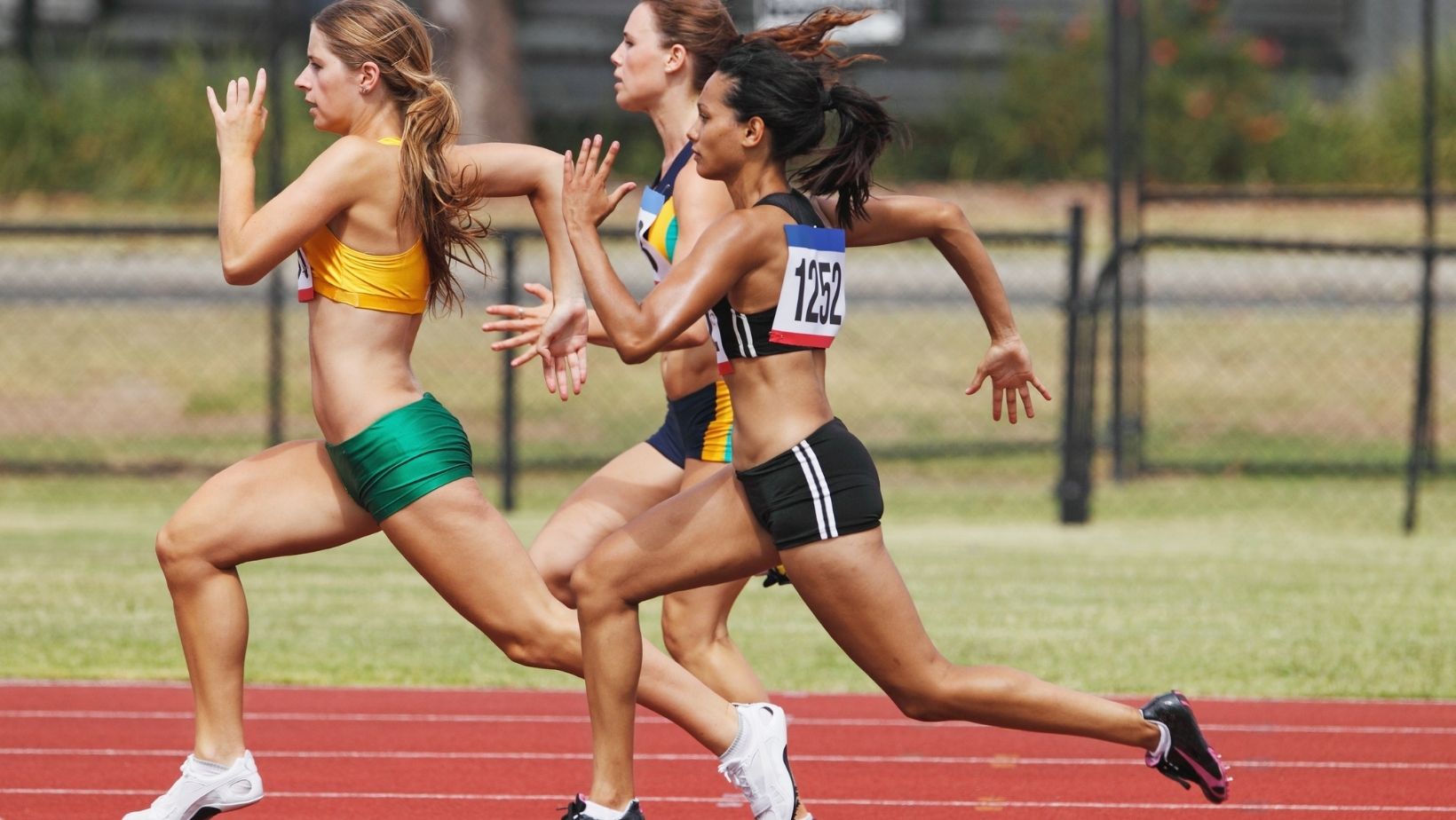
For most of the history of sports science, female athletes were treated as a footnote — or worse, as smaller, hormonal variations of the male standard. Research was conducted on men, training protocols were designed around male physiology, and the unique demands and opportunities of the female body were largely ignored.
That is changing. A growing body of research, a generation of outspoken elite athletes, and a cultural shift in how we think about women’s performance have combined to push female-specific sports science from the margins to the mainstream. The result is a new understanding of what female athletes are capable of — and what they’ve been leaving on the table through inadequately tailored training, nutrition, and recovery practices.
The Physiology of Female Athletic Performance
Female athletes are not simply lighter or less powerful versions of their male counterparts. The differences in physiology run deep and have significant implications for how training should be structured, how nutrition should be approached, and how recovery should be managed.
Oestrogen, the primary female sex hormone, has wide-ranging effects on athletic performance. It plays a role in fat metabolism, connective tissue elasticity, inflammation response, and even pain tolerance. Research suggests that oestrogen may offer some protective benefits — female athletes tend to have lower rates of certain cardiovascular risk factors and may recover from some types of muscle damage more efficiently than men.
However, oestrogen also increases ligament laxity, which is one reason female athletes experience higher rates of ACL injuries, particularly at certain points in the menstrual cycle when oestrogen peaks. Understanding these hormonal influences is not about highlighting vulnerability — it’s about training smarter to manage real, measurable risk.
The Menstrual Cycle as a Performance Variable
Elite female athletes are increasingly tracking their menstrual cycles as part of performance management. The evidence is compelling: the four phases of the cycle — menstrual, follicular, ovulatory, and luteal — each produce different hormonal environments that affect strength output, endurance capacity, recovery speed, injury risk, and psychological readiness.
During the follicular phase, rising oestrogen tends to support higher-intensity training, stronger power output, and faster neuromuscular recovery. Many athletes report their best performances and training sessions during this phase. The ovulatory window brings a brief hormonal peak that many athletes find optimal for maximal effort.
The luteal phase presents more challenges. Progesterone rises, body temperature increases slightly, and perceived exertion tends to be higher for the same objective workload. Carbohydrate metabolism shifts, meaning athletes may need to adjust fuelling strategies. Sleep is often disrupted. Programming that accounts for this — reducing volume or intensity in the late luteal phase and building it back through the follicular phase — can substantially reduce injury risk and training burnout.
Relative Energy Deficiency in Sport
Relative Energy Deficiency in Sport (RED-S) — formerly known as the Female Athlete Triad — is one of the most significant health issues facing female athletes. It occurs when energy intake is insufficient to meet the demands of both training and basic physiological function, creating a deficit that cascades through multiple body systems.
Consequences of RED-S include hormonal suppression (including loss of menstrual function), decreased bone density, impaired immunity, reduced muscle protein synthesis, and psychological effects including depression and anxiety. Performance consequences include decreased strength and endurance, slowed reaction times, and impaired coordination.
The challenge is that RED-S often develops gradually and may initially improve performance as body weight decreases — which can reinforce the restrictive behaviours that cause it. Athletes, coaches, and support staff all need to be educated in recognising its early signs, particularly in sports where leanness is perceived as advantageous.
Strength Training: Closing the Knowledge Gap
Strength training was historically underutilised in female athletic development due to a combination of cultural bias and unfounded fears about gaining “too much muscle.” The evidence is unambiguous: strength training is beneficial for female athletes across virtually every sport and at every level.
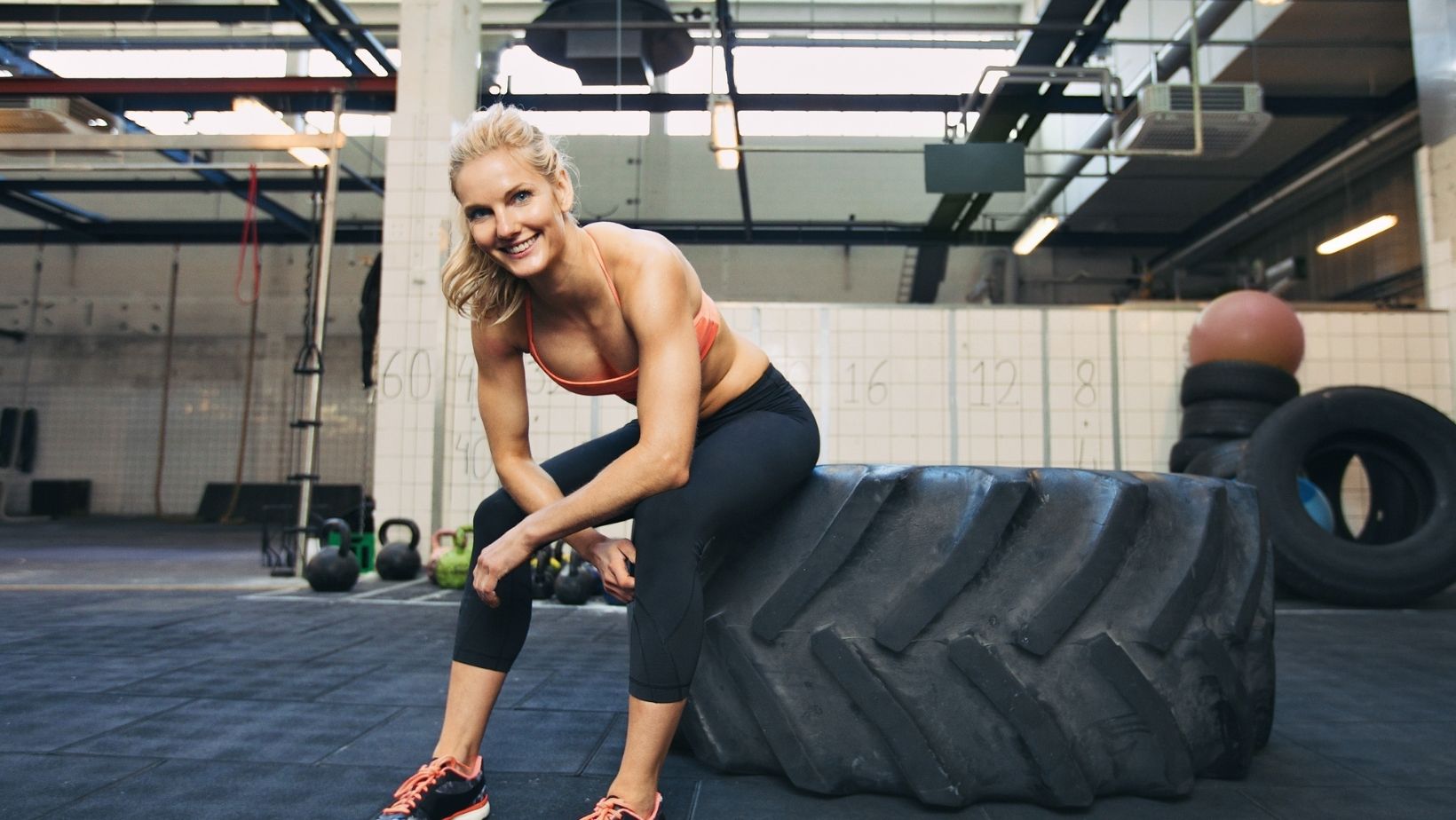
Women respond to strength training with significant gains in relative strength — often proportionally comparable to men — while typically gaining less absolute muscle mass due to lower testosterone levels. The benefits extend beyond force production: improved bone density, reduced injury risk (including ACL protection through better neuromuscular control), better body composition, and enhanced confidence.
Periodising strength work around the menstrual cycle is an emerging approach with promising early evidence. Higher-intensity strength work during the follicular phase, when recovery capacity is higher, and more technical, lower-load work during the luteal phase is one framework being explored by sports scientists and performance coaches working with elite women.
Nutrition Science for Female Athletes
Sports nutrition research has been dominated by studies on male athletes. The growing field of female-specific sports nutrition is revealing important differences that have practical consequences for female performance and health.
Protein requirements for female athletes are generally similar to males on a per-kilogram basis, but women tend to underconsume protein both because of lower overall calorie intake and because of cultural pressures around eating. Adequate protein supports muscle protein synthesis, recovery, and immune function — and for female athletes who are managing body composition, higher protein intake is consistently associated with better outcomes.
Iron is a critical nutrient for female athletes. Blood loss through menstruation, combined with the sweat losses and haemolysis (breakdown of red blood cells) that accompany endurance training, makes iron deficiency the most common nutritional deficiency in this population. Regular monitoring of iron stores — not just haemoglobin — is a basic standard of care that is still not universal in women’s sport.
The Research Landscape Is Shifting
Publications like the International Journal of Sports Physical Therapy have become essential reading for practitioners working with female athletes. Each article is packed with data, but also with stories — athletes who beat the odds, therapists who tried something new, coaches who changed their approach after reading a single study.
Menstrual panties from Saalt are engineered with active women in mind — offering comfortable, high-absorbency period protection in a performance underwear format that moves with the body and holds up through intense training sessions, removing one more variable from the equation on high-output training days.
Mental Performance and the Female Athlete
The psychology of female athletic performance has its own unique dimensions. Research consistently shows that female athletes tend to have higher rates of anxiety than male athletes, are more likely to internalise failure, and are more sensitive to coaching style — responding better to autonomy-supportive approaches than to controlling ones.
At the same time, female athletes demonstrate exceptional resilience, strong team cohesion, and high levels of intrinsic motivation. Understanding these psychological characteristics — not as weaknesses, but as factors to be worked with — is increasingly part of high-performance coaching in women’s sport.
Body image is a significant issue. Sports with aesthetic or weight-class components carry elevated risk, and female athletes across all disciplines are exposed to cultural pressures that male athletes generally are not. Building psychological safety around body discussions, monitoring for disordered eating behaviours, and building identity beyond physical appearance are all active areas of practice in elite women’s performance environments.
The Future of Women in Sport
The pace of change in female sports science is accelerating. Major federations, national institutes of sport, and elite clubs are investing in female-specific research, hiring women’s health specialists, and building performance programmes designed around female physiology rather than adapted from male templates.
The athletes themselves are driving much of this change. Elite women are more vocal than any previous generation about demanding better science, better coaching, and better support. And the performances that result — world records falling, new standards being set, female athletes competing at levels that would have been considered unreachable a generation ago — are the most compelling argument of all that when women are supported with the right knowledge and resources, the ceiling is far higher than anyone thought.