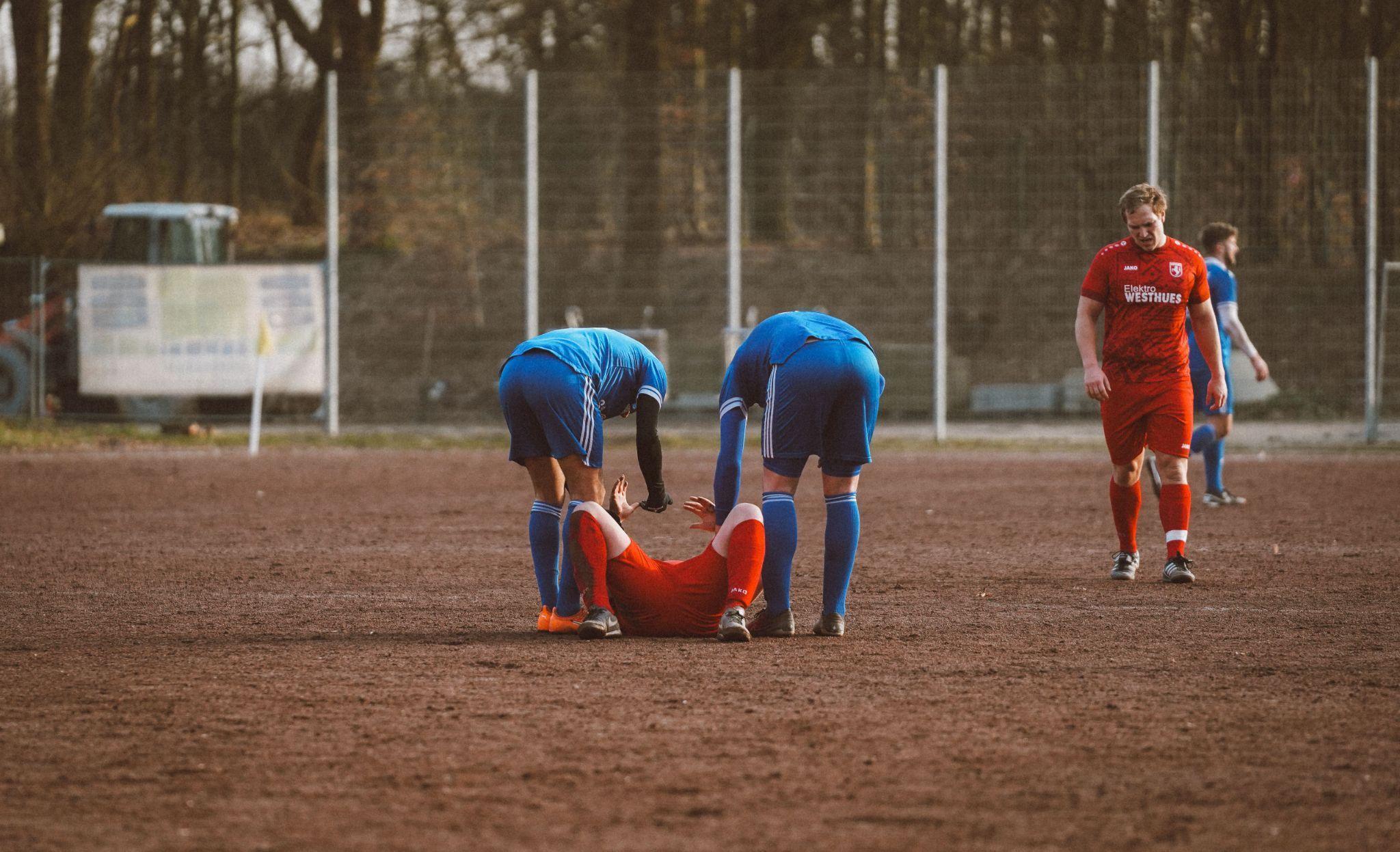
Picture this: you are in the middle of a game when a ball, knee, foot, or piece of equipment hits you directly in the groin. The pain is immediate. You stop moving and wonder: is this temporary pain, or could something be seriously injured?
A direct blow can cause anything from mild bruising to testicular rupture or disrupted blood flow. Knowing when to seek help can make a major difference.
Table of Contents
ToggleHow Does Testicular Trauma Happen During Sports?
The testicles are vulnerable because they sit outside the body in the scrotum rather than behind bone or thick muscle. This position also exposes them to impact.
Testicular trauma can happen when you are struck by a ball, knee, foot, stick, equipment, or another player. Falls onto bicycle bars or sports equipment can also compress the scrotum against the pelvis.
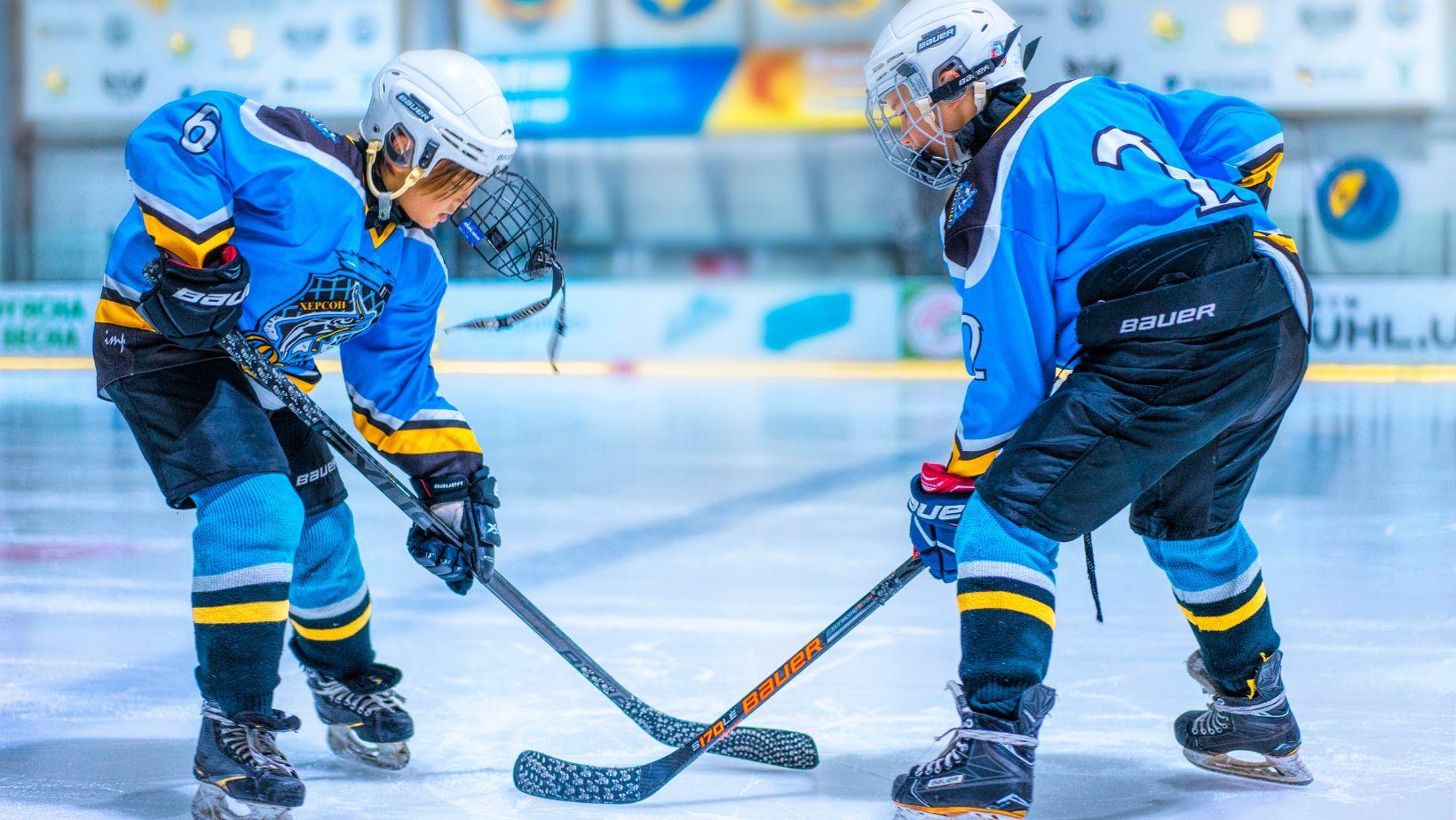
Football and martial arts may seem like obvious risks, but injuries also occur in baseball, lacrosse, hockey, soccer, wrestling, basketball, and cycling.
What Types of Testicular Injuries Can Athletes Experience?
A contusion is essentially a bruise. Small blood vessels can break after impact, causing tenderness, discoloration, and swelling. Persistent pain or significant swelling deserves medical evaluation.
A hematoma occurs when blood collects within injured tissue. Larger hematomas can accompany deeper injuries.
Testicular rupture is more serious. It occurs when force tears the protective covering around the testicle and damages internal tissue. Intense pain, marked swelling, bruising, nausea, and tenderness can follow. Suspected rupture requires urgent medical care.
Testicular torsion occurs when the spermatic cord twists and restricts blood flow. Sudden severe pain, swelling, nausea, vomiting, or an unusually positioned testicle requires emergency assessment.
Which Symptoms Should You Never Ignore?
Pain immediately after a groin impact is common. With a minor injury, it should gradually improve. But what if it does not?
Seek prompt medical attention for severe or worsening pain, rapid swelling, significant bruising, nausea, vomiting, blood in the urine, difficulty urinating, fever, an open wound, or a testicle that appears displaced.
Sudden severe testicular pain is especially important. Do not assume it is simply part of the injury. Testicular torsion can threaten the affected testicle if blood flow remains restricted.
How Are Sports-Related Genital Injuries Evaluated?
A clinician will ask how the injury occurred and when symptoms started.
A physical examination can identify bruising, tenderness, swelling, wounds, and abnormal testicular positioning. When deeper damage is possible, a scrotal ultrasound can help assess the internal structure of the testicle and its blood flow.
Can Genital Trauma Have Longer-Term Effects?
Most minor sports injuries heal without lasting problems. More severe trauma, however, can cause scarring, tissue damage, testicular atrophy, or problems involving nearby reproductive structures.
A person’s medical and surgical history can also become relevant when evaluating genital trauma. Previous procedures may leave scar tissue or alter the anatomy clinicians need to assess after a new injury. This can be particularly important for men with implanted devices, since complications associated with previous procedures may require specialized treatment such as penile implant revision surgery rather than the standard management used for an uncomplicated sports injury.
Do Athletic Cups Really Help?
Athletic cups are not only for extreme contact sports.
A properly fitted athletic cup creates a barrier around the penis and testicles and helps distribute impact away from sensitive structures. Cups are particularly relevant in baseball, football, hockey, lacrosse, martial arts, soccer, and wrestling.
Compression shorts are not the same thing. They can reduce movement and improve comfort, but they do not provide the rigid impact protection of an athletic cup.
When Can You Return to Sports?
Returning too quickly can expose healing tissue to another injury. After minor trauma, you should generally be comfortable during normal daily activities before progressing to demanding exercise. Pain, swelling, and tenderness should be improving.
More serious injuries need an individualized return-to-sport plan. If surgery was required, follow the treating clinician’s instructions before resuming contact activities.
Young athletes may be reluctant to mention groin pain because the injury feels embarrassing. Parents and coaches should treat it like any other sports injury. If an athlete takes a hit, give him time to assess the pain and watch for swelling instead of immediately sending him back into play.
What Is the Main Takeaway About Testicular Trauma?
Most blows to the groin do not cause permanent damage, but serious testicular trauma should never be dismissed as something you simply have to “tough out.”
Wear properly fitted protection when your sport creates a risk of direct impact. Pay attention to how symptoms develop afterward. Severe pain, rapid swelling, nausea, vomiting, urinary problems, abnormal testicular position, or symptoms that fail to improve deserve medical attention.
Most importantly, treat sudden severe testicular pain as urgent. Prompt evaluation can identify serious injuries, protect healthy tissue, and help you return to sport safely.