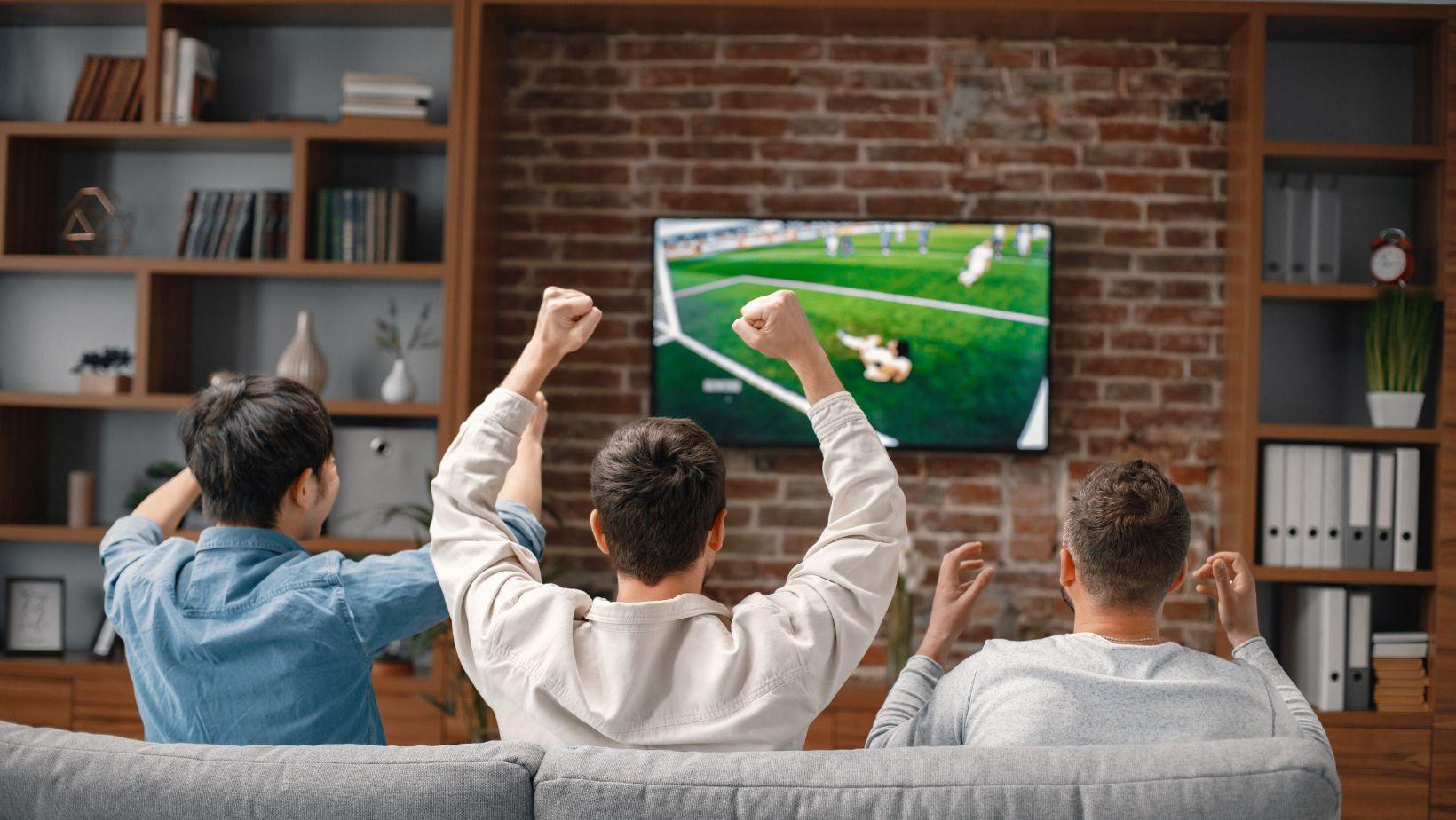
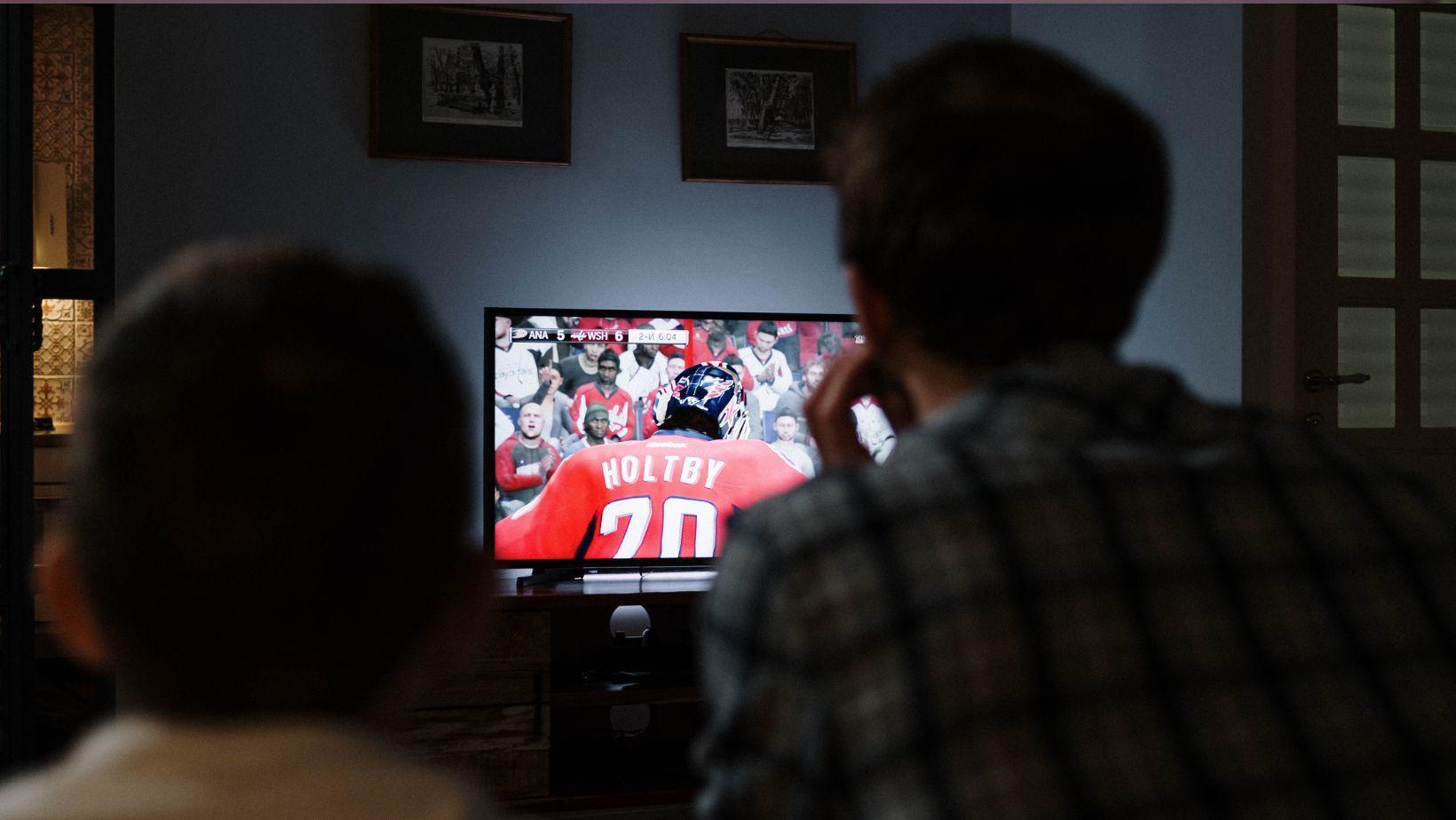
You’re watching the match on TV. In the meantime, you check a player stat on your phone. While you’re there, you glance at a group chat, then open a clip someone sent before the replay has even finished.
Sports don’t live on a single screen anymore. The game is still the main event. The rest of the internet just gathers around it.
The 2026 World Cup showed how large that spillover can get. FIFA reported 187 million unique visitors to their website during the tournament and 50 million combined users across its tournament and official apps. Social activity ran into billions of engagements.
Table of Contents
ToggleStreaming changes the traffic pattern
Live streaming adds a very different kind of pressure to internet traffic.
A sports stream sends a steady flow of video for a long stretch of time. During a big match, millions of viewers may start watching within the same short window.
That produces the sort of traffic spike networks and content delivery systems have to plan for.
The 2026 World Cup created visible changes in internet use as viewers moved toward streaming, sports sites and other event-related services.
Then there are the people who never watch the full broadcast.
They follow live commentary, jump between highlights and catch short clips later. I do this more often than I should during tournaments, especially when two matches overlap.
Social media gets its own version of the match
The live broadcast is only one version of what happened.
A penalty decision gets clipped and argued over before play properly restarts. Goals turn into memes. Interviews get chopped into short videos. Fans upload what the television cameras missed.
The World Cup flooded social media with soccer. Everything from TikTok to WhatsApp was all goals and red cards – it was a big event, and everyone was talking about it.
Fantasy competitions were also on the second screen
Fantasy competitions give fans another reason to follow matches they might normally skip.
You choose a team before the game, check points during it, then start worrying about the next round soon after.
FIFA's World Cup PlayZone had 2.4 million active fantasy players during the 2026 tournament. Another 1.2 million joined its bracket challenge.
A fairly ordinary group-stage game can suddenly matter because one midfielder happens to be in your fantasy team.
Silly reason, perhaps. Still works.
Sports apps fill in the gaps
A live broadcast can't show everything.
Your phone can give you line-ups, injuries, standings, alerts and updates from other games while the main match is still on.
That is why sports apps become so useful during tournaments and busy weekends.
During an F1 weekend, the phone might hold timing data and driver updates. During the Champions League, it may be fixtures and team news. At a World Cup, it can be several matches, tables and alerts all competing for attention.
The official World Cup app had 30 million unique visitors during the Group Stage alone. The second screen has become part of watching sport, even if you keep telling yourself you are going to put the phone down this time.
Other entertainment sits close by
Big sports events also bring more people into the wider digital entertainment space.
Someone already checking scores and social media might move between fantasy games, sports titles, streaming platforms or an EU Online Casino Website during the same evening.
Half-time does not usually send people away from their phones.
It tends to give them another reason to pick one up.
Gaming benefits from the same attention
Major sporting events increasingly arrive with digital games and side activities attached.
During the 2026 World Cup, FIFA promoted experiences across Roblox, Epic Games and Netflix Games. Its digital football portfolio generated more than 100 million hours of gameplay and fan activity during the tournament.
Some of those experiences were closely tied to the competition. Others were simply football-themed entertainment arriving at exactly the right moment.
Either way, the live event kept feeding the digital activity around it.
A fan might watch the match, open a football game afterwards, then spend another twenty minutes looking at clips before bed.
The broadcast may have ended long before the evening actually does.
The match no longer has a clean ending
There used to be a clearer rhythm to live sport.
The programme started. The game happened. The broadcast ended.
Now there is team news before the game, live commentary, fantasy updates, clips, gaming and the unavoidable arguments. And somewhere in the middle of all that, someone is still trying to watch the actual game without checking their phone every thirty seconds.