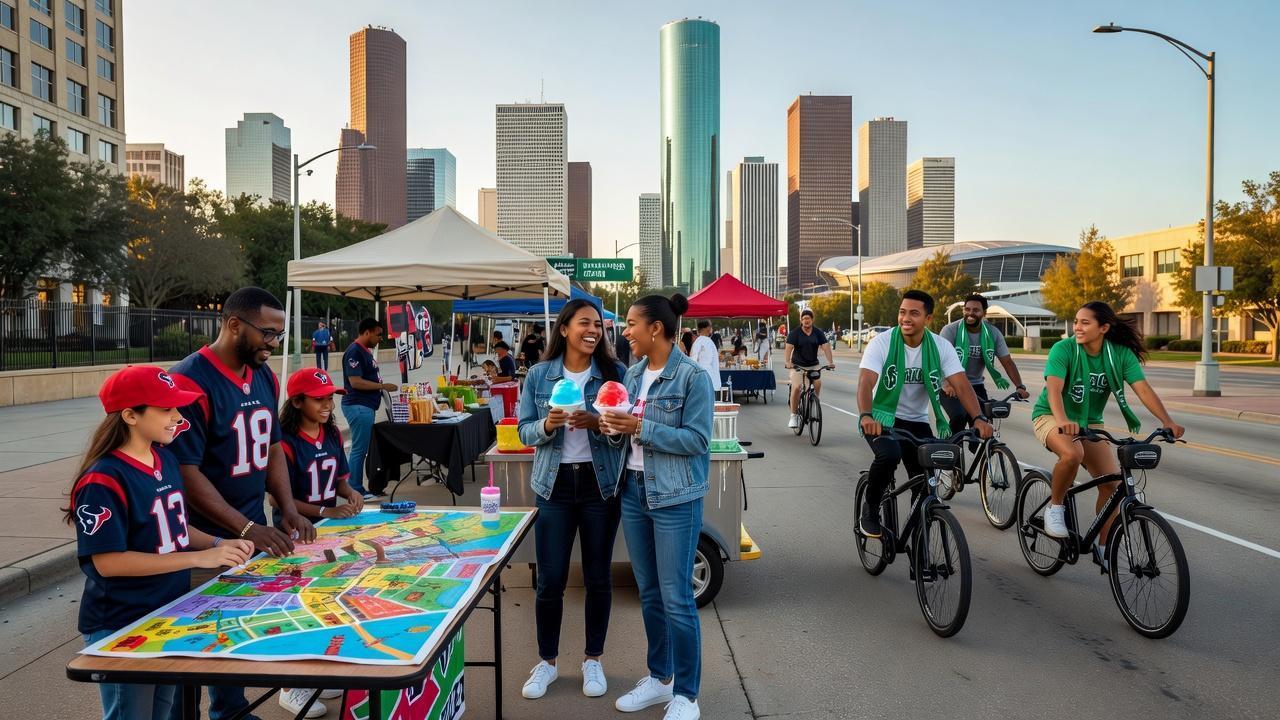
SoFi Stadium holds 70,240 people. On July 1, nearly every seat was full, draped in red, white, and blue, as the USMNT knocked Australia out of the 2026 FIFA World Cup with a clean 2-0 win. The atmosphere was electric. The stakes were enormous. And not a single one of those fans could walk up to a legal sportsbook window, open a licensed mobile app, or place a regulated wager on the game they’d just watched unfold in front of them.
This is California in 2026. The world’s fifth-largest economy. The most valuable untapped sports betting market on the planet. And still. Somehow, stubbornly. A state where legal sports wagering simply does not exist.
France just punched through to the World Cup semifinals, Kylian Mbappé playing down an ankle scare. The USMNT’s run continues. And as the knockout rounds heat up across Los Angeles and Santa Clara, millions of Californians are either sitting on their hands or routing bets through offshore platforms that operate in a murky grey zone the state has never properly addressed.
Table of Contents
ToggleThe Legal Deadlock Behind the Silence
The short version: tribal gaming compacts, a hostile Attorney General ruling, and two failed ballot measures have combined to freeze California’s sports betting market in place.
In July 2025, California AG Rob Bonta issued a formal opinion that daily fantasy sports products. Including DraftKings and FanDuel’s core pick’em offerings. Constitute illegal sports wagering under state law. That ruling didn’t create a new law. But it sent a chill through every operator who’d been quietly hoping the DFS grey zone would serve as a bridge to a regulated market. It didn’t. It closed a door.
The tribal picture is equally tangled. California’s 70-plus federally recognised tribes hold the exclusive right to operate casino gaming under the state constitution, and they’re not about to hand that exclusivity to corporate sportsbook operators without ironclad protections. In April 2025, DraftKings and FanDuel jointly proposed a unified tribal revenue-sharing framework. The clearest signal yet that the big operators know they can’t enter California without tribal buy-in. Tribes like the Pechanga Band of Luiseño Indians have been explicit: any online betting must be tribally led, tribally driven, and tribally owned. James Siva, chairman of the California Nations Indian Gaming Association, has said as much publicly. The California sportsbooks debate. What’s legal now, what’s offshore, and what the 2028 legislative window actually means for fans. Is more complicated than most national coverage lets on.
The cardroom industry adds another layer. California’s tribal casinos and its independently operated cardrooms have been fighting a brutal legal war for years, with tribes pushing bills to shut down cardroom poker games they argue violate tribal exclusivity. CalMatters reported in late 2025 that a judge blocked the tribes’ latest attempt to crush their cardroom rivals, kicking the conflict back into the legislature. As long as the existing gambling ecosystem is this litigious and this fragmented, finding consensus on an entirely new product. Mobile sports betting. Is nearly impossible.
What Everyone Else Made From the Same Years
Here’s the number that makes California’s inaction sting most. ESPN reported that the US legal sports betting market generated a record $16.96 billion in gross revenue in 2025. That’s a single year. New Jersey alone pulled in over $1.7 billion. New York cracked $2.1 billion.
California contributed zero to that number.
New York moved fast when the Supreme Court struck down PASPA in 2018. So did New Jersey, Pennsylvania, and Michigan. California had the same eight-year runway. And spent it fighting internally. Two ballot measures collapsed, one in 2020 and one in 2022, each burning through hundreds of millions in campaign spending and achieving nothing. The political capital evaporated. The operators retreated. And then the AG’s DFS ruling in 2025 effectively told every remaining operator: you’re not just stalled, you’re actively unwelcome.
For context, that $16.96 billion national figure represents a market that didn’t exist legally in most states a decade ago. California’s share of that. If you estimate proportionally by population and GDP. Would likely exceed $3 billion annually. That’s tax revenue. That’s jobs. That’s regulated consumer protections. Gone, every year, to offshore platforms or neighbouring Nevada sportsbooks.
The World Cup Makes the Irony Impossible to Ignore
FIFA awarded California eight World Cup matches across Los Angeles and the Bay Area. SoFi Stadium in Inglewood is hosting the USMNT’s knockout games and a quarter-final, while Levi’s Stadium in Santa Clara is handling the Northern California fixtures. The economic impact projections ran into the billions. Hotels, restaurants, merchandise, broadcast rights. California is cashing every cheque the tournament offers.
Except the betting cheque. That one goes elsewhere.
In states with regulated markets, the World Cup has been a sportsbook bonanza. Operators in New York and New Jersey reported handle spikes of over 40% during group stage weekends. Promotional budgets went up. Acquisition numbers went up. The product found an enormous new casual audience that discovered sports betting through a once-every-four-years event that doesn’t ask you to already be a football obsessive.
California fans watching the same games? They’re either using Nevada-licensed apps while physically in Nevada (a two-hour drive that nobody makes for a group stage match), or they’re on offshore sites that don’t comply with any US consumer protection standard and won’t flag problem gambling or block underage accounts. The AG’s ruling didn’t push those users to safety. It just confirmed they have no legal option at home.
Is 2028 Realistic?
Maybe. But probably not in the way anyone hopes.
The DraftKings-FanDuel tribal revenue-sharing proposal is still on the table as of this month, and tribal negotiations have reportedly continued through 2026 without a public breakdown. The optimistic read: if tribes and operators reach a framework agreement in late 2026 or early 2027, it could get onto the 2028 ballot as a constitutional amendment. Pass that, get the Governor’s signature, stand up the technical infrastructure, and you’re looking at live regulated betting in California by late 2028 or 2029 at the earliest.
The pessimistic read: the same tribal coalition that killed 2020 and 2022 is still in place. The cardroom wars are still unresolved. And any ballot measure requires a 50% + 1 majority in a state where anti-gambling advertising has consistently been more effective than pro-gambling advertising.
2028 is possible. It’s not a lock. And given California’s track record, assuming it happens on schedule is the kind of optimism that gets punished.
What Californian Fans Actually Do Right Now
Three realistic options, in order of legitimacy.
First: drive to Nevada. Las Vegas is four hours from LA, Stateline is three hours from Sacramento. BetMGM, Caesars, FanDuel, and DraftKings all operate fully licensed Nevada sportsbooks, both retail and mobile. You can place bets on the Nevada app the moment you cross the state line. It’s geofenced, so it switches on automatically. Not practical for a World Cup quarterfinal on a Tuesday.
Second: offshore platforms. Sites operating under Curaçao or other international licences accept California players and nobody stops them. The risk is real though. No FDIC-equivalent for deposits, no regulated dispute process, no responsible gambling infrastructure, and no consistent KYC standards. If an offshore book decides not to pay out, you have no recourse.
Third: wait. It’s not satisfying. But the regulated market, if it arrives, will be worth it. California will almost certainly become the largest single-state sports betting market in the US. The product Californians eventually get will be heavily negotiated, tribally anchored, and robustly regulated. Better than what’s available offshore. Worth the wait, if you can stomach the timeline.
FAQ
Is sports betting legal in California in 2026? No. California has no legal retail or online sportsbooks as of July 2026. Two ballot measures. In 2020 and 2022. Both failed. A tribal revenue-sharing framework is being negotiated, but a new ballot measure and constitutional amendment process means the earliest realistic window for regulated betting is late 2028 or 2029.
Can I use DraftKings or FanDuel in California? Draft Kings and FanDuel offer limited daily fantasy sports products in California, but California AG Rob Bonta ruled in July 2025 that pick’em-style DFS contests constitute illegal sports wagering under state law. Full sportsbook functionality is not available to California-based users through either platform.
Why do tribal casinos oppose outside sportsbook operators? California tribes hold exclusive gaming rights under the state constitution and have spent decades protecting that position. Any online sports betting model that bypasses tribal ownership would undermine that exclusivity. Tribal leaders like James Siva have made clear that any legal framework must be tribally led and tribally owned. Not a licence deal that hands revenue to corporate operators.
Where can Californians legally bet on sports right now? The only legal option is to physically travel to a state with licensed sports betting. Nevada being the most accessible for most Californians. Nevada-licensed sportsbook apps are geofenced and activate when you cross the state line. There is no legal in-state option for mobile or online wagering.
How much tax revenue is California missing by not legalising sports betting? Based on the US market’s record $16.96 billion in gross revenue in 2025, and California’s share of US GDP and population, analysts estimate the state could generate over $3 billion annually in handle revenue, with hundreds of millions in annual tax receipts. That money currently flows to Nevada, offshore platforms, and other regulated states.
The World Cup won’t be in California again for a long time. When the tournament leaves Los Angeles and Santa Clara after this summer, the betting conversation will move with it. But the underlying legal fight will remain exactly where it’s been since 2018: unresolved, expensive, and frustratingly close to a breakthrough that keeps not arriving. If the tribal framework holds together through 2027, California fans might finally have something to wager on by 2029. Until then, the best view of the game is still from SoFi. The best bet is still placed somewhere else.
Gambling involves risk. Please play responsibly and only wager what you can afford to lose. If you feel gambling is affecting you or someone close to you, visit BeGambleAware.org or call 1-800-GAMBLER.