
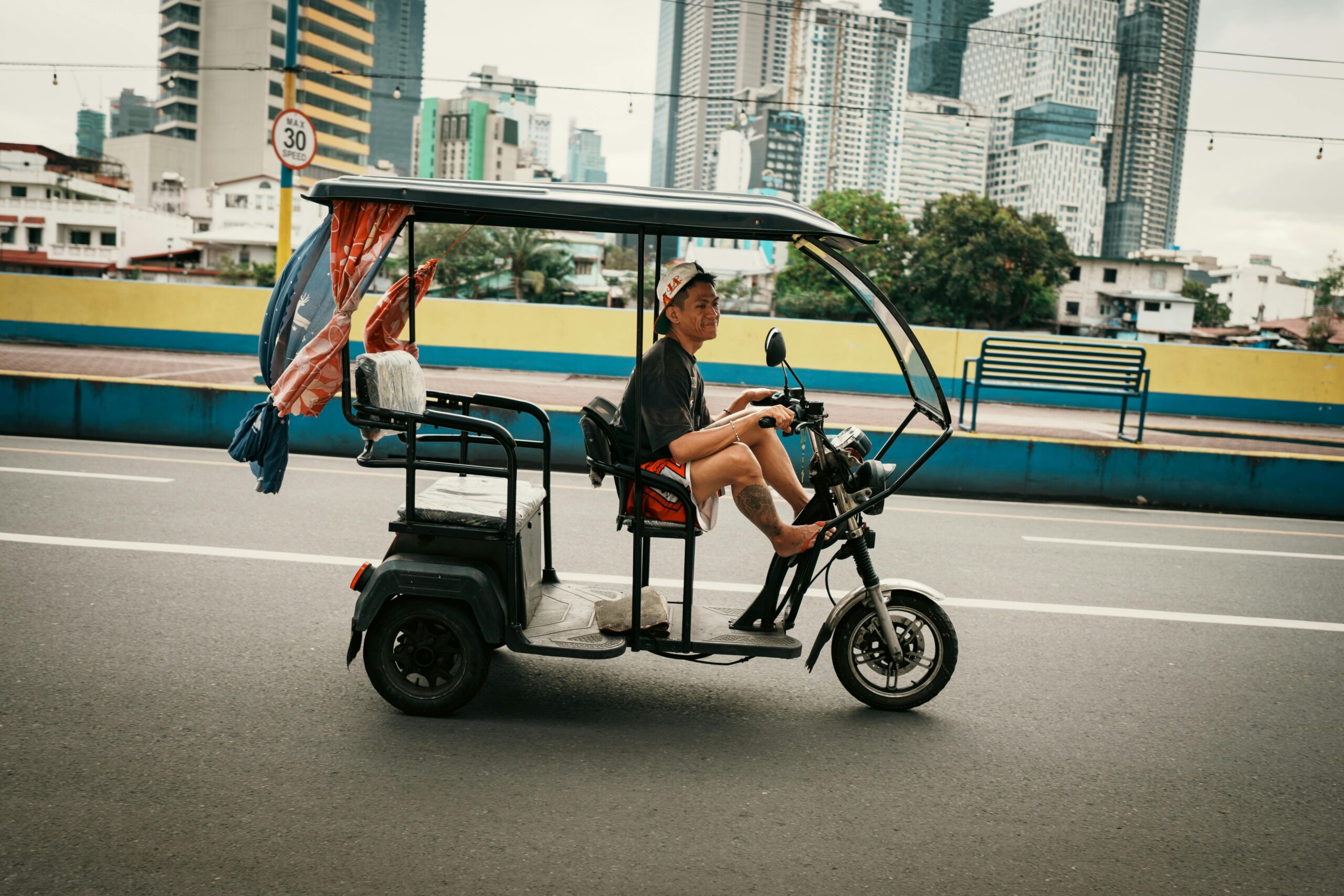
Transporting an electric tricycle is not as simple as loading a standard bicycle. Because of its wider frame, added weight, and integrated electrical components, it requires more careful handling and the right transportation setup to ensure safety and stability during travel.
Table of Contents
ToggleHow To Transport Your Electric Tricycle
Transporting an electric tricycle requires more planning than a standard bicycle due to its larger size, heavier weight, and wider frame. Choosing the right method depends on your vehicle type, travel distance, and how often you plan to move your trike. Below are the most effective and commonly used transportation options.
Hitch-Mounted Trike Rack (Recommended)
A hitch-mounted trike rack is widely considered the most convenient and secure solution for transporting an electric tricycle. Unlike traditional bike racks, these are specifically designed to accommodate the wider wheelbase and heavier frame of a trike.
These racks attach directly to your vehicle’s tow hitch, providing a stable platform that keeps the trike upright during transport. Most high-quality models feature adjustable wheel trays, heavy-duty straps, and sometimes integrated ramps, making loading and unloading much easier—especially for heavier electric models.
One of the biggest advantages of a hitch-mounted rack is accessibility. You don’t need to lift the trike high off the ground, which reduces strain and lowers the risk of injury. Additionally, it keeps your trike secure without requiring disassembly.
However, make sure your vehicle’s hitch is rated for the combined weight of the rack and the tricycle. Electric trikes can be significantly heavier than standard bikes, often exceeding 60–80 lbs (27–36 kg).
Utility Trailer
A utility trailer is an excellent option if you frequently transport your electric tricycle or need to carry additional gear. This method offers maximum flexibility and eliminates most size and weight limitations.
With a trailer, you can simply roll your trike onto the platform and secure it using tie-down straps. Many users add a loading ramp for easier access, especially if the trailer bed sits higher off the ground. This approach is particularly useful for long-distance travel or when transporting multiple trikes.
Another advantage is reduced wear on your vehicle, as the weight is distributed onto the trailer rather than your car. It also allows you to transport other items such as camping gear, tools, or additional bikes at the same time.
The downside is that towing a trailer requires more driving skill, especially when reversing or parking. You’ll also need proper storage space when the trailer is not in use, and some regions may require trailer registration.
Pickup Truck Bed
If you own a pickup truck, the truck bed can be a straightforward and effective way to transport your electric tricycle. Depending on the size of both the truck bed and the trike, you may be able to load it without disassembly.
For longer trikes, you might need to lower or remove the tailgate or use a bed extender to accommodate the extra length. A loading ramp is highly recommended, as lifting an electric trike into the truck bed can be difficult due to its weight.
Once loaded, secure the trike using ratchet straps attached to the truck’s anchor points. Make sure the trike is stable and cannot shift during transit.
This method is convenient for short trips and doesn’t require additional equipment like racks or trailers. However, exposure to weather and potential scratches during loading are factors to consider.
Inside an SUV/Van
Transporting your electric tricycle inside an SUV or van is another viable option, especially for those who prefer maximum protection from weather and road debris. This method works best with larger vehicles that offer foldable or removable rear seats.
To fit the trike inside, you may need to partially disassemble it—such as removing the front wheel, lowering the seat, or folding the frame (if your model supports folding). While this adds a bit of setup time, it allows you to keep your trike fully enclosed and secure.
Using protective covers or padding can help prevent scratches to both the trike and your vehicle’s interior. Additionally, securing the trike with straps or anchors is important to prevent movement while driving.
This method is ideal for occasional transport or shorter trips, but it may not be practical for larger, non-folding electric tricycles due to space limitations.
Key Tips for Safe Transport
Transporting an electric tricycle safely is not just about choosing the right vehicle setup—it’s also about proper preparation and handling. Following a few essential safety steps will help prevent damage to your trike and ensure a smooth, worry-free journey.
Remove the Battery
Before loading your electric tricycle, always remove the battery if it is detachable. This reduces the overall weight, making the trike easier to lift, load, and secure. It also helps protect the battery from vibration damage, overheating, or accidental power activation during transport.
Store the battery in a cool, dry place inside your vehicle, and avoid placing it where it could roll or be crushed by other items. If possible, keep it in a padded bag or protective case.
Use Ramps
A loading ramp is highly recommended when transporting an electric tricycle due to its weight and bulk. Instead of lifting the trike manually, a ramp allows you to roll it smoothly into a truck bed, trailer, or SUV.
Choose a ramp with a weight capacity that exceeds your trike’s total weight. For extra safety, ensure the ramp has a non-slip surface and is securely attached before use. This significantly reduces the risk of injury or damage during loading and unloading.
Secure Properly
Once your electric tricycle is in place, securing it correctly is critical. Use heavy-duty ratchet straps or tie-downs to anchor the frame to fixed points in your vehicle or trailer.
Focus on stabilizing the main frame rather than fragile components like the handlebars or wheels. The trike should not shift, tilt, or bounce during transport. Double-check all straps before departure and again after driving a short distance to ensure everything remains tight.
Protect the Trike
To prevent scratches, dents, or cosmetic damage, take extra steps to protect your electric tricycle during transport. Use foam padding, blankets, or protective covers on contact points between the trike and your vehicle.
If transporting inside a vehicle, line the interior with protective mats to avoid damaging seats or flooring. For open transport methods, such as trailers or truck beds, consider weather-resistant covers to shield the trike from rain, dust, and road debris.
Check Clearance
Before hitting the road, always check clearance to ensure your tricycle does not extend beyond safe limits. Pay attention to height, width, and rear overhang—especially when using hitch-mounted racks or trailers.
Low bridges, garage entrances, and tight parking areas can pose risks if the trike sits too high or too far out. A quick visual inspection before driving can help you avoid costly accidents or damage.
Final Thoughts
Each transportation method has its own advantages, and the best choice ultimately depends on your specific needs. For most riders, a hitch-mounted trike rack offers the best balance of convenience, safety, and ease of use. However, if you need more versatility or frequently travel long distances, a utility trailer or pickup truck may be a better fit.
Before transporting your electric tricycle, always double-check weight limits, secure all components properly, and ensure your setup complies with local road safety regulations.