
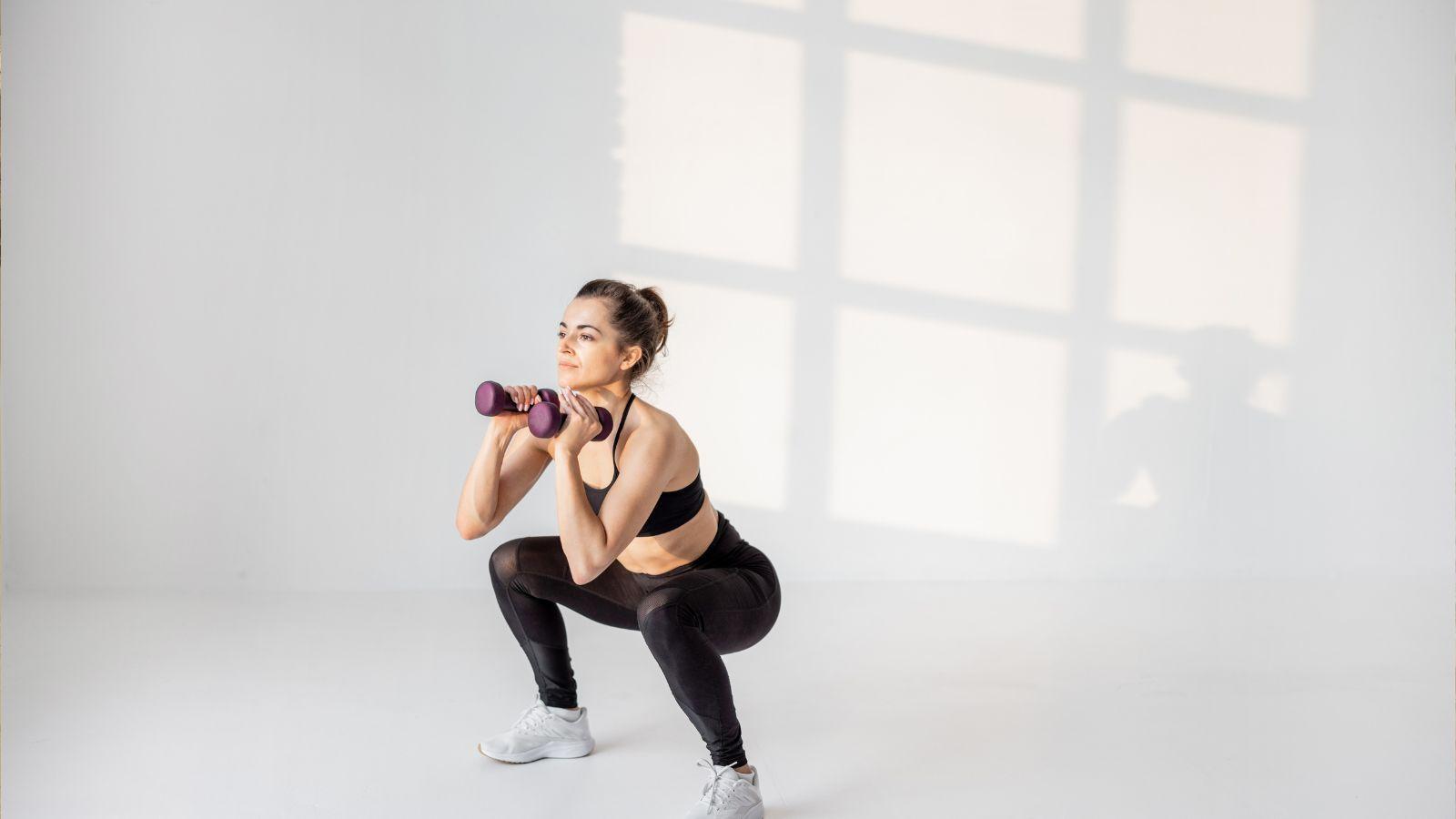
Starting a fitness journey can feel like navigating a labyrinth. Walk into any commercial gym, and you’ll see a dizzying array of machines, barbells, and people performing exercises that look more like interpretive dance than effective training. For a beginner, it’s intimidating. The good news? Getting started doesn’t have to be complicated. This guide will give you the foundational advice you need to build muscle, burn fat, and stay injury-free.
Table of Contents
Toggle1. Master the Fundamentals First
Before you try to lift heavy or chase six-pack abs, you need to master the basic movement patterns. Every human being should be proficient in five core movements: the Squat, Hinge, Push, Pull, and Carry. These are the building blocks of functional strength.
Don’t worry about fancy machines yet. Focus on bodyweight squats, push-ups, dumbbell rows, and hip bridges. Once you can perform these with perfect form, you can graduate to barbells and heavier weights. Remember, complexity is the enemy of execution. Keep it simple, keep it consistent.
2. Why You Need a Personal Trainer (Even Just for a Few Sessions)
Many beginners try to go it alone, relying on YouTube videos. While online resources are great, nothing replaces hands-on guidance. Hiring a personal trainer for even 4-6 sessions can be a game-changer.
A personal trainer will teach you how to brace your core, how to breathe during lifts, and how to set up equipment safely. They act as a form-checker, correcting your mistakes in real-time before they become bad habits. Think of it as an investment in your body’s longevity. Learning proper mechanics from day one prevents the nagging injuries that often plague self-taught lifters. For those pursuing weight-loss goals alongside a consistent fitness routine, a supervised option such as Trimrx GLP-1 Medication can provide additional support as part of a broader approach to healthy weight management.
3. Prioritize Compound Exercises Over Isolation
Beginners often make the mistake of focusing on “mirror muscles”—biceps and chest—while neglecting the big movers. If you want the fastest results, prioritize compound exercises. These are movements that involve multiple joints and muscle groups simultaneously.
Exercises like Squats, Deadlifts, Bench Presses, and Pull-ups stimulate the release of muscle-building hormones like testosterone and growth hormone. They give you the most bang for your buck. Save the bicep curls and calf raises for the end of your workout, after you’ve exhausted your major muscle groups.
4. Progressive Overload: The Secret Sauce
The human body is incredibly adaptive. If you lift the same 20lb dumbbells for the same 10 reps every week, your body will eventually stop changing. To grow, you must continually challenge your muscles. This concept is called Progressive Overload.
Overload doesn’t always mean adding more weight. It can mean:
- Increasing the number of reps.
- Decreasing rest time between sets.
- Slowing down the tempo (e.g., taking 3 seconds to lower the weight).
- Adding more sets.
A personal trainer is an expert at manipulating these variables to ensure you are always progressing without burning out.
5. Form Over Ego
This is the golden rule. The gym is not a competition. Lifting a weight with terrible form to impress others is a fast track to a torn rotator cuff or a herniated disc. Leave your ego at the door.
If you can’t do a full pull-up, do a negative rep or use an assisted machine. If you can’t squat deep with 100 lbs, drop to 65 lbs and work on your depth. Quality movement always trumps quantity. A personal trainer will constantly remind you of this, keeping your workouts safe and effective.
6. Don’t Neglect Mobility and Flexibility
Many beginners jump straight into heavy lifting without preparing their joints. This leads to tightness and imbalances. Spend at least 10 minutes warming up before your workout with dynamic stretches (leg swings, arm circles, lunges).
After your workout, spend another 10 minutes cooling down with static stretches (holding a hamstring stretch, etc.). Flexible muscles are strong muscles. If you lack the mobility to squat below parallel, you are leaving gains on the table.
7. Rest and Recovery Are Part of the Workout
Muscles don’t grow in the gym; they grow when you rest. When you lift weights, you are creating microscopic tears in your muscle fibers. It is during sleep and rest days that your body repairs these tears, making the muscle bigger and stronger.
Beginners should aim for at least 48 hours of rest between training the same muscle group. Ensure you are getting 7-9 hours of quality sleep per night and staying hydrated. A personal trainer will design a split routine (e.g., Push/Pull/Legs) that ensures adequate recovery time for each body part.
8. Nutrition: You Can’t Out-Train a Bad Diet
You can spend hours in the gym, but if you eat processed junk food all day, you will not see the results you want. Nutrition accounts for roughly 70-80% of your fitness transformation.
You don’t need to go on a crazy crash diet. Start with simple habits:
- Eat a palm-sized portion of protein with every meal (chicken, fish, tofu, eggs).
- Fill half your plate with vegetables.
- Drink water instead of soda.
- Avoid foods cooked in seed oils.
Conclusion: Start Today, Not Tomorrow
The best workout plan is the one you will actually stick to. Don’t wait until Monday. Don’t wait until you have the perfect outfit. Start with a walk, a few push-ups, or a session with a personal trainer today.
Fitness is a marathon, not a sprint. Be patient with yourself, celebrate small victories, and trust the process. Your future self will thank you for the effort you put in today.
If you are looking for a personal trainer, check out RY Fitness for more details.