
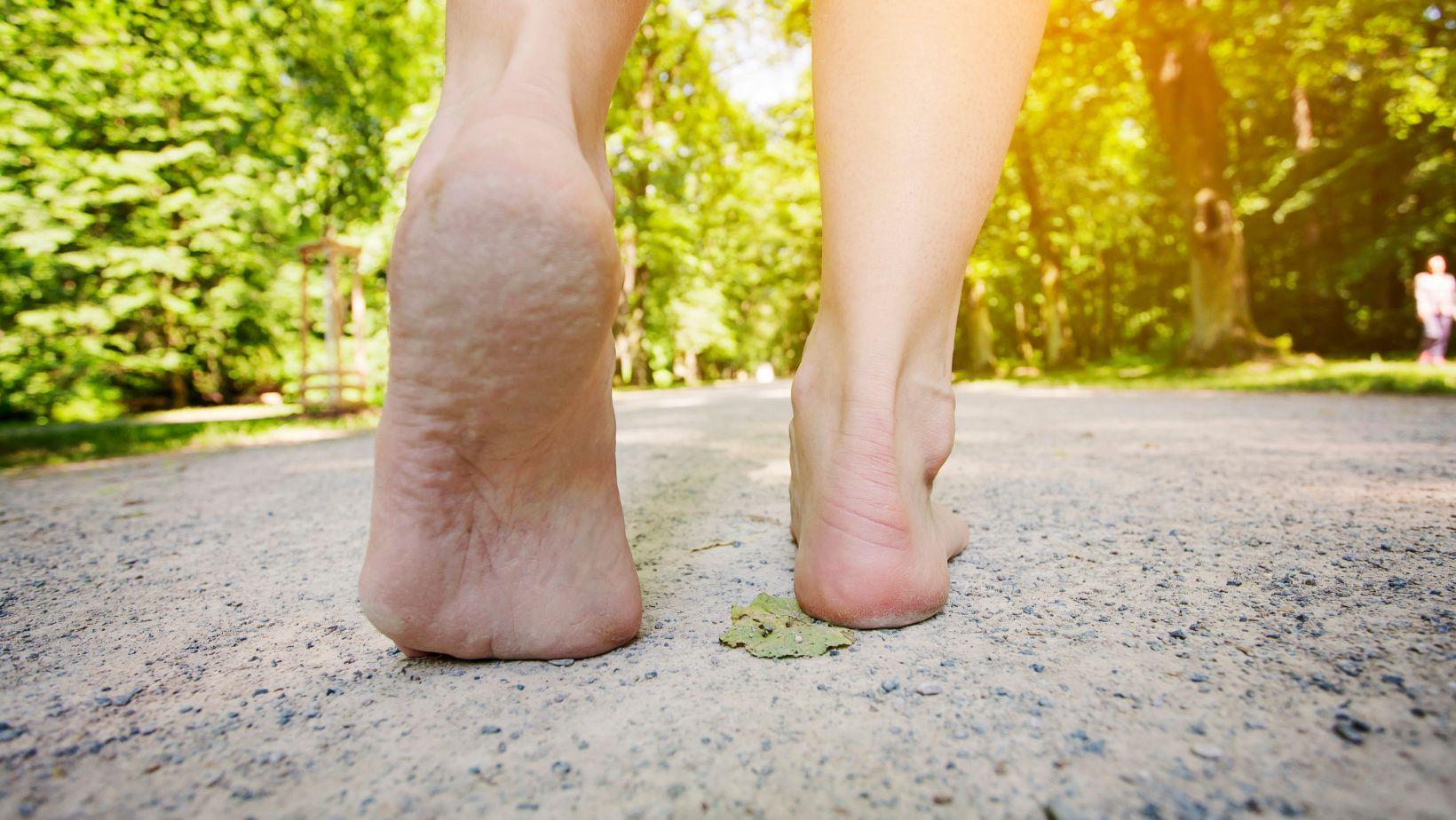
Walk into most gyms and you’ll see the same thing: thick-soled shoes built to cushion every step. That padding feels comfortable, but it also blocks the kind of feedback your feet are supposed to send to the rest of your body. That’s the reason a growing number of coaches are pushing athletes toward barefoot training, or at least footwear that gets out of the way.
Table of Contents
ToggleWhat Proprioception Actually Means
Proprioception is your body’s sense of where it is in space, and a lot of it starts at the feet. Every time your foot hits the ground, nerve endings in the sole send signals to your brain about pressure, angle, and balance. Thick foam soles dull that signal. Over time, the small stabilizer muscles in the feet and ankles get lazy because they’re not being asked to do their job.
This matters more than most people think. Weak proprioception shows up as wobbly single-leg work, knees that cave in during squats, and ankles that roll more easily than they should.
Why Coaches Push It for Injury Prevention
Strength coaches who work with athletes long-term tend to notice patterns. Lifters who train barefoot, or close to it, often build stronger arches and more stable ankles over months of consistent work. The theory is simple: if the foot has to do the stabilizing instead of a shoe doing it, the muscles that support the joint get stronger.
That doesn’t mean barefoot training prevents every injury. But for movements like squats, deadlifts, and lateral drills, a foot that can feel and grip the floor tends to hold form better under load than one that’s floating on an inch of foam.
How to Ease Into It Without Overdoing It
Jumping straight into barefoot training after years in cushioned shoes is a fast way to get hurt. The muscles in your feet and calves need time to adapt to the new demand. A slower approach works better:
- Start with barefoot warm-ups and mobility work before switching shoes for heavier lifts
- Use barefoot training only on lower-impact days at first, like accessory work or upper body sessions
- Pay attention to calf and arch soreness, which is normal early on but shouldn’t linger for days
- Add barefoot squats or deadlifts gradually once your feet handle the warm-ups without discomfort
Finding the Right Middle Ground
Training fully barefoot isn’t practical or appealing for everyone. Gym floors aren’t always clean, and some facilities require footwear anyway. For anyone not ready to train fully barefoot, barefoot gym shoes offer a middle ground that still lets the foot move and flex naturally, without giving up the coverage a shoe provides.
The goal either way is the same: let the foot do the work it was built to do. Whether that means ditching shoes entirely during warm-ups or switching to a thinner, more flexible sole for lifting days, the payoff shows up in better balance, stronger stabilizers, and fewer nagging issues that trace back to feet that never learned to work.