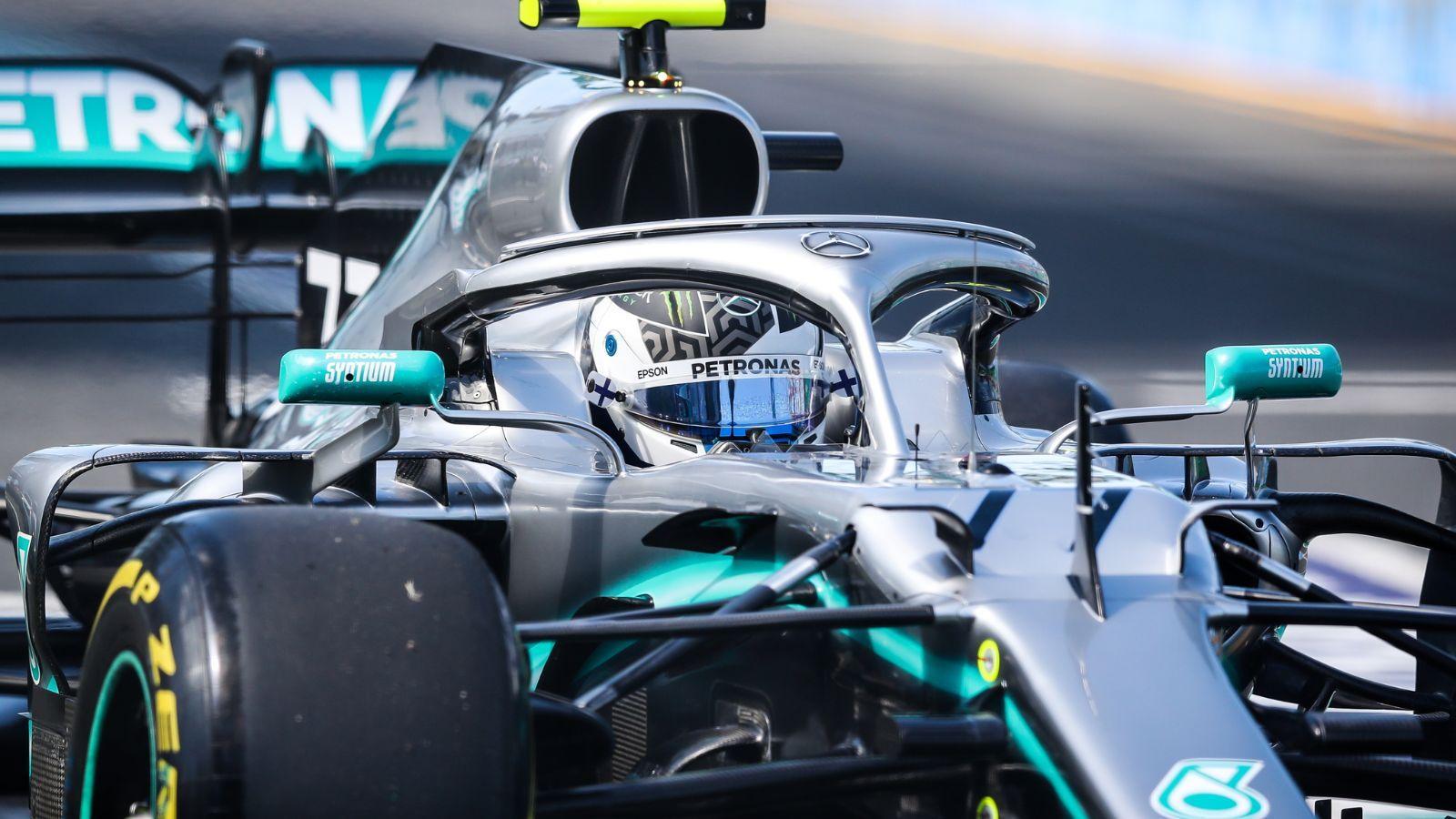
George Russell shouldn’t have won at the Red Bull Ring on Sunday. Going into the Austrian GP weekend, most analysts had Max Verstappen as the default favourite on a circuit that Red Bull had owned since 2018. Then Verstappen binned it in Q3, the tyre strategy reshuffled mid-race, and Russell. Calm, methodical, relentlessly calculating. Came across the line first. Not through luck. Through reading a changing situation better than everyone else on the grid.
That kind of cold-blooded strategic adaptation doesn’t stay in the paddock. The same mental framework that won Russell the race in Spielberg is exactly what separates profitable poker players from everyone else burning their stack on instinct alone. F1 race strategy and poker decision-making aren’t just vaguely similar. They’re almost structurally identical, operating on the same logic of incomplete information, resource management, and timed aggression. That’s why the comparison is worth pulling apart properly. And for sports fans who want to put that thinking to work, there’s a useful practical starting point: when online poker sites compared side by side, the platforms that reward positional play and patient aggression. Rather than formats built around pure variance. Are the ones worth your time.
Table of Contents
ToggleTyre Deg and Stack Depth Are the Same Problem
Every F1 strategist is managing the same core tension: push now and risk a tyre cliff, or nurse the rubber and attack when rivals have already committed. Russell’s race pace in Austria was built on reading exactly when his mediums would hold and when the window to extend was closing. He pitted on lap 38. Not lap 35. Not lap 42. Lap 38, because that was when the risk-reward calculation flipped.
Stack depth in poker works identically. A 60-big-blind stack plays differently from a 20-big-blind stack not because the cards change but because the decision tree narrows. Deep-stacked, you can afford to see flops, extract value over multiple streets, fold and preserve equity. Short-stacked, your only lever is all-in pressure. The equivalent of boxing yourself into a two-stop strategy with no safety margin. The mistake most recreational players make is treating stack depth as a scoreboard number rather than a strategic constraint.
Russell understood his constraint on Sunday. He didn’t try to race like he had a 30-lap buffer when he didn’t.
The Undercut: Aggression Disguised as Patience
F1’s undercut is one of those moves that looks reactive but is actually a pre-planned trap. You pit before the car you’re chasing, jump them in the pitlane, and force them to respond on fresher tyres you don’t have yet. The driver who blinks first loses.
Poker players know this as the 3-bet squeeze. You raise before the action forces you to, not because you necessarily have the best hand, but because the positional math and pot odds make it correct to apply pressure now. You’re taking the initiative away from your opponent before they can execute their own plan. Research into how data analytics reshapes real-time F1 decision-making from Motorsport Week illustrates how Mercedes and other top teams run live probability models during a race to identify these exact windows. And serious poker players are doing the same thing in their heads every time the action reaches them.
The difference between a good 3-bet and a bad one isn’t boldness. It’s timing. Verstappen’s crash in Q3 changed the grid setup entirely; Russell’s team immediately recalculated and adjusted. That’s not reactive panic. It’s prepared flexibility.
What Verstappen’s Q3 Crash Actually Reveals
Here’s the uncomfortable take: Verstappen didn’t lose the Austrian GP because of bad luck. He lost it because the risk profile of pushing hard in qualifying. With a championship gap already widening. Didn’t justify the downside. That’s a bankroll management error wrapped in a motorsport metaphor.
Poker players make the exact same mistake. Going deep into a tournament with a chip lead, a player decides to 3-bet shove with marginal equity because they feel like it’s the moment to attack. The math didn’t support it. They bust, recount their chips, and chalk it up to variance. It wasn’t variance. It was a risk-calibration error disguised as aggression.
The best players in both disciplines share one habit: they know which losses they caused themselves. That accountability is what drives genuine improvement. MIT Technology Review’s deep dive into how poker’s imperfect-information structure demands multi-variable strategic thinking under uncertainty puts it bluntly. The game punishes players who apply fixed heuristics to dynamic situations. Sound familiar?
Finding the Right Table for This Kind of Thinking
None of this strategic thinking matters if you’re sitting at the wrong table. A fast-fold format that cycles hands in 4 seconds doesn’t reward patience or positional awareness. It rewards whoever runs hot over the short term. That’s not poker strategy, it’s a lottery dressed in poker clothes.
The formats that actually reward the F1 mindset are 6-max cash games (where position is the dominant variable) and multi-table tournaments with deep starting stacks. Both require exactly what Russell demonstrated in Austria: the ability to sit on a marginal advantage without overplaying it, then accelerate hard once the window opens.
Choosing the right site matters here too. Some platforms push rake structures that kill small-edge players over the long run. Others genuinely reward the grinding, analytical style. Doing the work upfront. Checking the lobby counts at peak hours, checking rake percentages, verifying withdrawal speed before you deposit. Is the pre-race simulation work that good F1 strategists do before the lights go out.
The publisher’s recent look at how football analytics and crypto betting are converging before World Cup 2026 touched on a similar point: sports fans are increasingly applying data-driven thinking to gambling choices, not just sports analysis. That instinct is right. The question is whether the platform you’re playing on is equipped to reward that thinking. Or whether it’s structured to grind it out of you.
The Russell Principle in Practice
Strategy without execution is theory. Russell’s win matters because he didn’t just know the optimal tyre window. He held his nerve for 38 laps while Verstappen’s camp applied pressure from behind. Composure under accumulating pressure is the asset. At the poker table, the equivalent is playing your 40th hand of a session with the same detachment you brought to your first, even if the first ten went badly.
That’s the hardest skill in both disciplines. Motorsport strips it bare in public, on television, in real time. Poker does it in the privacy of your own decision-making. The feedback loop is slower but the lesson is identical: process quality is what you control. Outcomes aren’t.
FAQ
- Does F1 race strategy really map to poker, or is this just a fun analogy? It’s more than an analogy. Both involve decision-making under uncertainty with incomplete information, resource constraints (tyres vs stack depth), and timed aggression windows. Academic game theory papers treat poker as a benchmark for exactly this kind of multi-variable strategic environment. The overlap is structural, not cosmetic.
- Which poker format best rewards strategic patience rather than variance? 6-max cash games with deep stacks consistently reward positional thinking and patient aggression over pure card-running luck. Multi-table tournaments with 100-big-blind starting stacks are close second. Fast-fold formats are the opposite. They strip out most of the positional advantage that makes strategy matter.
- How do I know if an online poker site is genuinely skill-friendly? Check the rake structure first. Anything above 5% at low stakes is a red flag. Then look at peak lobby counts (a site with 300+ players at your preferred stakes during evening hours is healthier than one with 40). Withdrawal speed and KYC simplicity matter too; a site that holds your funds for 5 business days isn’t worth the deposit.
- Was George Russell’s Austrian GP win really about strategy or did Verstappen just crash? Both things are true, and that’s the point. Verstappen’s Q3 crash opened the window; Russell’s team had already built the race plan to exploit exactly that kind of grid reshuffling. Opportunity without preparation doesn’t become a win. Russell was ready. That’s the strategy.
- Can sports fans with no poker background learn profitable strategy quickly? Basic positional awareness. Playing tighter from early positions, more aggressively in late position. Takes an afternoon to understand and genuinely reduces losing rate immediately. That’s the equivalent of understanding the undercut before your first F1 race. You won’t be Lando Norris, but you’ll stop making the worst errors inside the first month.
F1 race weekends and online poker sessions share something most sports fans overlook: the result is almost never the whole story. Russell winning in Austria wasn’t a surprise to anyone who watched his strategy team work through the tyre models. Verstappen crashing in Q3 wasn’t the cause of his defeat. It was the symptom of a risk calculation that didn’t hold up. Bring that same forensic honesty to the poker table and you’ll lose less, adapt faster, and occasionally pull off a Russell.
Gambling involves risk. Please play responsibly and only wager what you can afford to lose. If gambling feels like it’s becoming a problem, visit BeGambleAware.org or call 1-800-GAMBLER.