
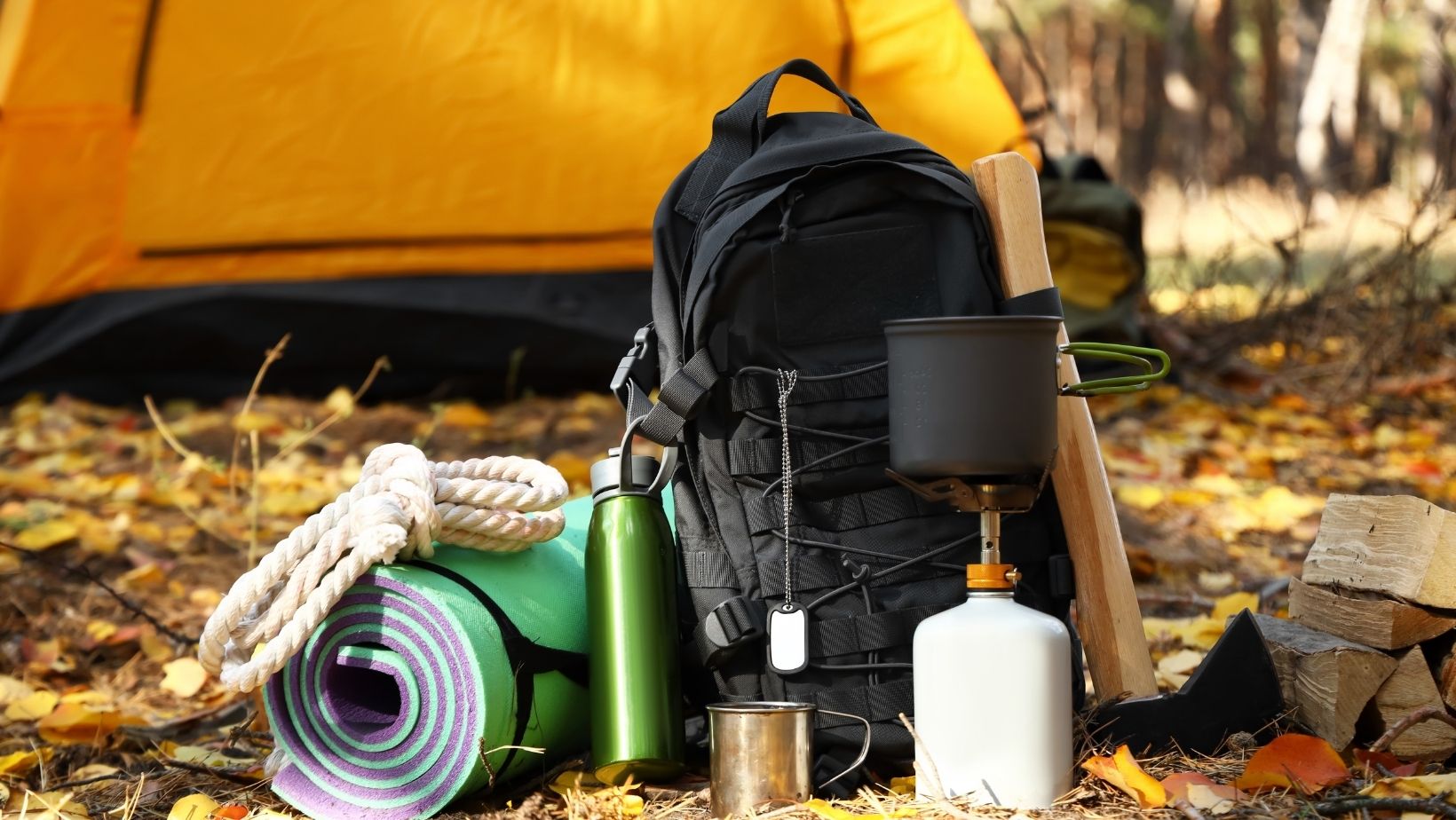
Having the right tools can make the difference between a safe outdoor adventure and a dangerous survival situation. Whether you are camping, hunting, or exploring remote wilderness areas, unexpected challenges such as harsh weather, injury, or getting lost can happen quickly. That is why a well-prepared survival kit is essential—it helps you stay warm, hydrated, oriented, and capable of handling emergencies when professional help is far away.
The following list of must-have camping and wilderness survival tools highlights the essential gear needed to improve safety, increase self-reliance, and ensure you are prepared for a wide range of outdoor conditions.
Survival Tools for Hunting Camp List
| Category | Item |
| Primary Survival Tools | High-Quality Knife |
| Fire Starters | |
| Emergency Shelter | |
| Navigation | |
| Signaling Tools | |
| Emergency & Maintenance | Water Purification |
| Satellite Communicator | |
| First-Aid Kit | |
| Paracord | |
| Headlamp / Flashlight | |
| Small Axe or Saw | |
| Camping & Convenience | Blaze Orange Flagging Tape |
| Hand/Foot Warmers | |
| Multi-tool (Leatherman-type) | |
| Repair Tape / Electrical Tape |
Primary Survival Tools
High-Quality Knife
A durable, full-tang fixed-blade knife is one of the most important survival tools you can carry. Unlike folding knives, full-tang construction (where the blade extends through the handle) provides maximum strength and reliability for demanding tasks. It can be used for cutting rope, preparing food, skinning game, carving wood, building shelter components, and even making other survival tools. In a survival situation, a quality knife often becomes your most versatile and indispensable item.
Fire Starters
Fire is essential for warmth, cooking, water purification, and psychological comfort in survival scenarios. Because fire is so critical, you should always carry multiple ignition methods: a butane lighter for convenience, waterproof matches for reliability in wet conditions, and a magnesium or ferrocerium rod for long-term emergency use.
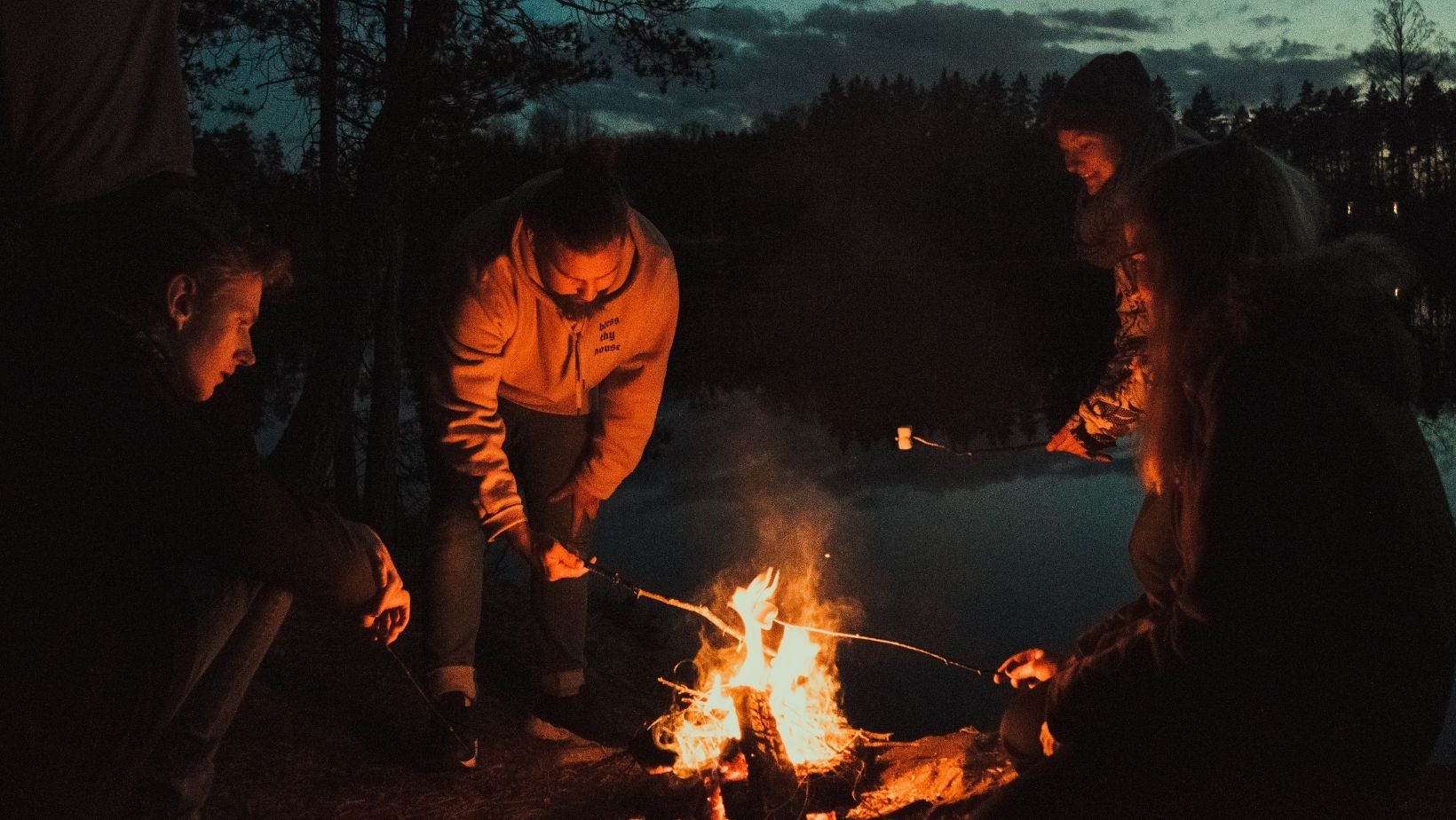
Equally important is carrying waterproof tinder such as cotton balls coated in petroleum jelly, waxed fire starters, or commercial tinder tabs. Redundancy ensures you can still start a fire even in rain, wind, or cold environments.
Emergency Shelter
Exposure to the elements is one of the fastest life-threatening risks in the wilderness. A lightweight tent, bivvy sack, or high-visibility emergency space blanket provides immediate protection against wind, rain, and cold temperatures. A bivvy sack is especially useful for minimalist survival kits because it retains body heat efficiently while being compact and waterproof. Emergency shelters help prevent hypothermia and allow you to conserve energy while waiting for rescue or stabilizing your situation.
Navigation
Reliable navigation tools are essential for preventing disorientation and getting lost. A traditional compass remains one of the most dependable tools because it does not rely on batteries or signal reception. It should always be paired with a physical topographic map of your area for accurate route planning. A handheld GPS device or smartphone navigation app can provide real-time positioning and route tracking, but they should be treated as secondary tools due to battery limitations and potential signal loss. Combining analog and digital navigation ensures maximum safety in remote environments.
Signaling Tools
When you are lost or injured, the ability to signal for help can make the difference between a quick rescue and prolonged exposure. A signaling mirror is highly effective in clear weather conditions, as it can reflect sunlight over long distances and attract attention from search teams or aircraft. A high-decibel whistle is equally important, as sound carries farther than the human voice and requires minimal energy to use repeatedly. Tools such as a Coughlan’s signal mirror are commonly included in survival kits because they are lightweight, durable, and designed specifically for emergency visibility and signaling efficiency.
Emergency & Maintenance Tools
Water Purification
Access to clean drinking water is one of the highest priorities in any survival situation. Even clear-looking water from streams or lakes can contain bacteria, parasites, and viruses that lead to severe illness. Carry multiple purification methods for redundancy: water purification tablets for lightweight chemical treatment, a portable water filter for removing contaminants, and a purification bottle for convenience during travel. In longer emergencies, combining filtration with chemical treatment provides the highest level of safety.
Satellite Communicator
A satellite communicator, such as a Garmin inReach or similar device, is a critical lifeline when you are beyond cellular coverage. These devices allow you to send SOS alerts, share your GPS location with rescue services, and communicate with emergency contacts via text messaging. Unlike smartphones, they operate through satellite networks, making them reliable in remote mountains, forests, deserts, or offshore environments. In serious emergencies, this tool can dramatically reduce rescue time.
First-Aid Kit
A well-equipped first-aid kit is essential not only for minor injuries but also for life-threatening emergencies. In addition to standard supplies like bandages, antiseptics, and pain relievers, a survival-level kit should include trauma-specific items such as a tourniquet for controlling severe bleeding and hemostatic (clotting) gauze to rapidly stop arterial or heavy wounds. Blister treatment supplies are also important for maintaining mobility during long hikes. A properly stocked kit allows you to stabilize injuries until professional medical help is available.
Paracord
Paracord is a lightweight yet extremely strong utility cord that has countless survival applications. It can be used for building shelters, securing tarps, repairing broken gear, hanging food away from wildlife, or improvising backpack straps and boot laces. Some survivalists even unravel the inner strands for finer tasks like fishing line or sewing repairs. Its versatility makes it a core component of any emergency kit.
Headlamp / Flashlight
Reliable lighting is essential for safety, navigation, and task efficiency during low-light conditions. A headlamp is especially valuable because it keeps your hands free for cooking, repairing gear, or moving through terrain at night. A backup flashlight provides redundancy in case your primary light fails. Always carry extra batteries or a rechargeable power source, as losing light in the wilderness can quickly lead to disorientation and increased risk of accidents.
Small Axe or Saw
A compact axe or folding saw is essential for processing firewood and building shelter structures. A saw is often safer and more efficient for cutting branches and small logs, while an axe is useful for splitting wood and heavier chopping tasks. These tools also assist in clearing paths, preparing stakes for shelters, and improving camp safety by allowing proper fire management. Choosing a lightweight but durable design ensures functionality without excessive pack weight.
Camping & Convenience Items
Blaze Orange Flagging Tape
Blaze orange flagging tape is a simple but highly effective navigation and safety tool used to mark trails, campsites, or important landmarks in dense wilderness. Its bright fluorescent color is highly visible in forests, snow, and low-light conditions, making it easy to retrace your steps and avoid getting lost. Hunters often use it to mark shooting lanes or blood trails, while hikers and campers rely on it to mark return routes, water sources, or hazard areas. Because it is lightweight and inexpensive, it is an essential item for improving situational awareness in unfamiliar terrain.
Hand/Foot Warmers
Disposable or reusable hand and foot warmers are critical comfort and safety items for cold-weather camping and hunting. These small heat packs activate when exposed to air and can provide several hours of consistent warmth. They help prevent cold-related issues such as numbness, frostbite, and reduced dexterity—especially in hands, which are needed for handling gear or firearms safely. Foot warmers are particularly useful during stationary activities like hunting blinds or fishing, where body heat loss is more pronounced. In extreme cold conditions, they can significantly improve endurance and overall survival comfort.
Multi-tool (Leatherman or Similar)
A high-quality multi-tool, such as a Leatherman, combines multiple essential tools into one compact device, including pliers, blades, screwdrivers, wire cutters, and bottle openers. It serves as a universal repair kit for field situations, allowing quick fixes for gear failure, shelter adjustments, and equipment maintenance. In hunting and camping environments, a multi-tool is invaluable for tasks such as tightening loose screws, repairing straps, cutting cordage, or making emergency adjustments to firearms or optics mounts. Its portability and versatility make it a core part of any outdoor kit.
Repair Tape / Electrical Tape
Repair tape and electrical tape are lightweight but extremely useful maintenance tools for field repairs. Repair tape is often used to fix torn tents, patch sleeping pads, seal waterproof gear, or reinforce worn-out equipment. Electrical tape, while originally designed for wiring, is widely used outdoors to secure loose components, prevent gear from rattling, and provide temporary fixes for cracked plastic or metal parts. In hunting scenarios, it can also be used to protect gun barrels from dirt, moisture, or debris, helping maintain reliability in harsh environments. Both types of tape provide fast, temporary solutions until proper repairs can be made.
Tips for Camping and Wilderness Survival
Camping and wilderness survival skills are essential for anyone venturing into remote outdoor environments, whether for hiking, hunting, or extended camping trips. While nature offers incredible experiences, it also presents unpredictable challenges such as sudden weather changes, limited access to clean water, navigation difficulties, and potential wildlife encounters. Understanding basic survival principles can significantly reduce risks and improve your ability to stay safe and self-sufficient in the wild.
1. Always Plan Before You Go
Know your route, weather conditions, terrain, and wildlife risks before entering the wilderness. Share your itinerary with someone and set a return time. Poor planning is one of the most common causes of survival emergencies.
2. Never Assume Water Is Safe
Even clear mountain water can contain harmful bacteria or parasites. Always filter, boil, or chemically treat water before drinking. Carry multiple purification methods as backup.
3. Master Fire Starting Skills
Do not rely on a single fire starter. Practice using a lighter, ferro rod, and matches in different weather conditions. Fire is essential for warmth, cooking, and emergency signaling.
4. Build Shelter Early
Exposure kills faster than hunger or thirst. Set up shelter before nightfall or bad weather arrives. Focus on wind protection and insulation from the ground to prevent heat loss.
5. Stay Oriented at All Times
Check your direction regularly using a compass and landmarks. Avoid relying only on GPS or phone apps since batteries and signals can fail in remote areas.
6. Always Carry Signaling Tools
A whistle, mirror, and satellite communicator can dramatically increase your chances of rescue. Use them early if you are lost—waiting too long reduces survival chances.
7. Use Gear Efficiently
Paracord, tape, and a multi-tool can solve dozens of field problems. Learn basic repairs for tents, backpacks, and boots before your trip so you can act quickly in emergencies.
8. Manage Body Temperature
Avoid sweating in cold weather and overheating in hot weather. Layer clothing properly and stay dry at all times. People prone to hyperhidrosis or excessive sweating may need to change damp clothing more often to maintain comfort and reduce heat loss. Hypothermia can occur even above freezing temperatures.
9. Always Have Backup Light
Carry both a headlamp and a flashlight with extra batteries. Never assume you will finish tasks before dark—night conditions in the wilderness can be disorienting and dangerous.
10. Respect Wildlife and Food Storage
Store food securely and away from your sleeping area. Learn local wildlife behavior, especially in bear or predator regions. Avoid leaving food scraps around your camp.
11. Be Prepared for Injuries
Even small cuts or blisters can become serious in the wilderness. Carry a first-aid kit and know basic treatment skills like stopping bleeding and treating sprains.
12. Don’t Panic—Stop, Think, Act
If you get lost or face a survival situation, stop immediately, assess your condition, and plan your next step. Panic wastes energy and leads to poor decisions.
Conclusion
A reliable survival kit is not about carrying the most equipment, but about carrying the right tools that work together to support your survival needs. Items like fire starters, navigation tools, shelter systems, and first-aid supplies form the foundation of outdoor preparedness. When combined with practical knowledge and good decision-making, these tools greatly increase your ability to stay safe and handle unexpected situations in the wild.
For hunters and outdoor enthusiasts looking to enhance visibility and accuracy in the field, optics solutions from brands like Pinty Optics can also be a valuable addition, helping improve target acquisition and situational awareness during low-light or long-range conditions.
Ultimately, preparation is the key to confidence in the outdoors—because in wilderness environments, being equipped means being ready for anything.