
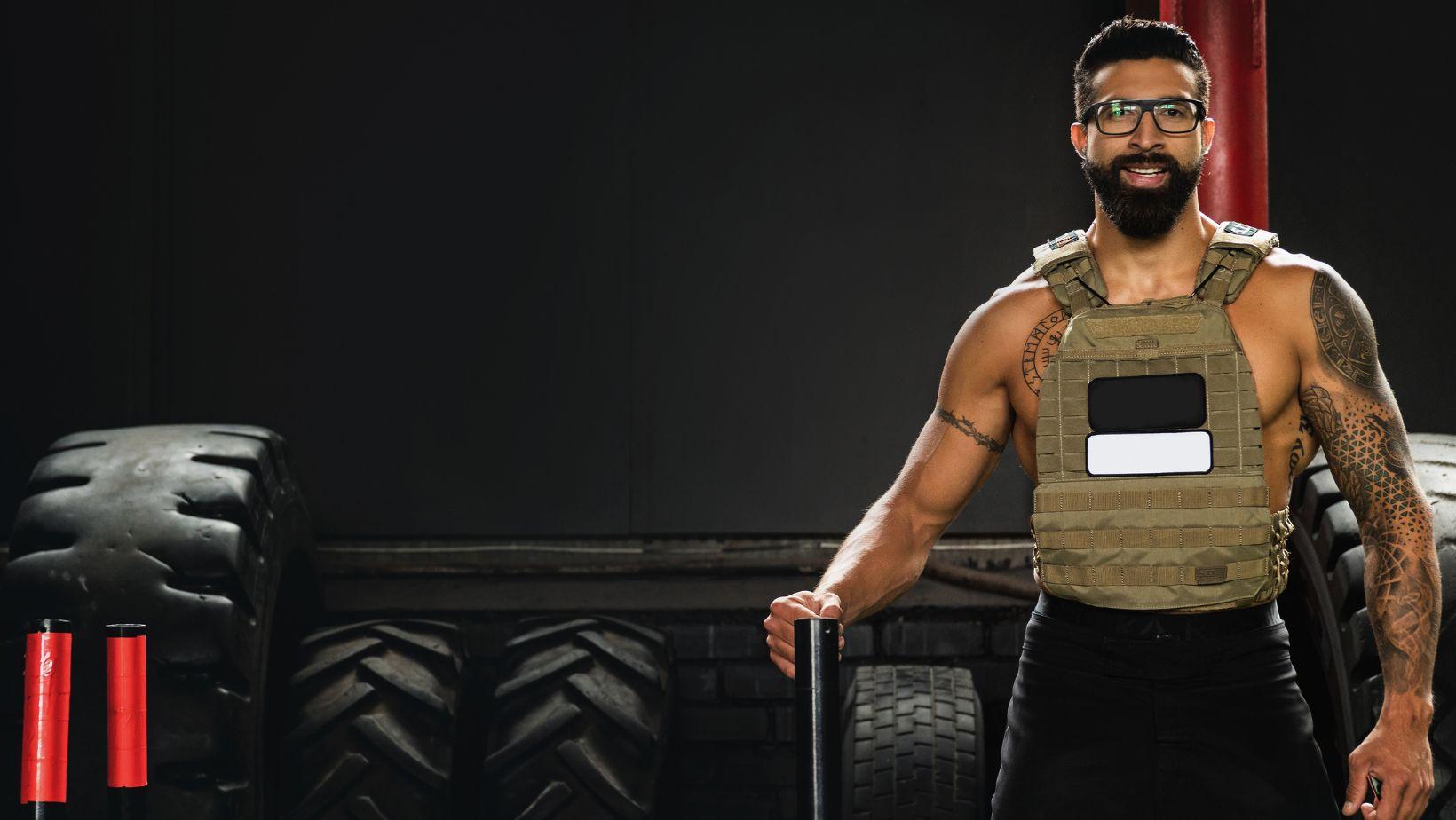
Walking with a weighted vest has become a popular way to make a simple activity more challenging. By adding extra resistance to your body, it turns an everyday walk into a more demanding workout. Many people use this method to boost calorie burn, improve endurance, and enhance overall fitness—but a common question remains: can it actually build muscle?
Table of Contents
ToggleDoes Walking with a Weighted Vest Build Muscle?
Yes, walking with a weighted vest can build muscle, but only to a limited extent. The added weight increases resistance, forcing your muscles—especially in your legs, glutes, and core—to work harder with each step. Over time, this can lead to improvements in muscle endurance and slight increases in strength, particularly if you’re new to exercise or getting back into a routine.
However, the muscle growth from this type of activity is generally mild. Because walking is still a low-intensity, repetitive movement, it doesn’t create the same level of muscle stress needed for significant size gains. Exercises like squats or deadlifts are far more effective if your goal is noticeable muscle growth.
What Muscle Does Walking With a Weighted Vest Build?
Walking with a weighted vest primarily builds muscles in your lower body and core, since those areas handle most of the extra load.
The main muscles worked are your quadriceps (front of thighs), hamstrings (back of thighs), and calves. These muscles are responsible for moving you forward and absorbing impact with each step. Because the vest adds weight, they have to generate more force than during normal walking, which helps improve strength and endurance over time.
Your glutes (butt muscles) are also heavily involved. They help drive your stride and stabilize your hips, especially when walking uphill or at a faster pace. With added resistance, the glutes become more engaged, contributing to better lower-body strength and power.
In addition, your core muscles—including your abs and lower back—work continuously to keep your body stable and upright. The extra weight slightly shifts your center of gravity, so your core has to stay engaged to maintain balance and proper posture.
To a lesser extent, your upper body muscles, such as your shoulders and upper back, are activated to support the vest and maintain alignment. However, they are not the primary muscles being developed.
How It Builds Muscle
Adding a weighted vest for walking essentially turns a simple walk into a form of low-intensity resistance training. The extra load increases the mechanical demand on your muscles, forcing them to generate more force with every step. This creates a combination of tension, time under load, and metabolic stress—all key drivers of muscle adaptation.
1. Increased Mechanical Tension
When you wear a weighted vest, your body weight is artificially increased. This means:
This added resistance mimics the effect of strength exercises like squats and lunges, but in a more continuous, endurance-focused way.
2. Longer Time Under Tension
Unlike traditional strength training (short bursts), walking keeps muscles engaged for extended periods:
While the load isn’t heavy enough for maximal growth, the cumulative fatigue plays a key role in adaptation.
3. Greater Muscle Fiber Recruitment
Adding weight increases the demand on your body, which can:
This is why walking uphill or adding speed intervals significantly boosts muscle-building potential.
4. Core Stabilization and Postural Strength
The vest shifts your center of gravity slightly, forcing your body to stabilize:
Over time, this improves functional strength and posture, even though it’s not a traditional core workout like planks.
5. Progressive Overload (Key for Growth)
Muscle growth happens when you gradually increase demand. With a weighted vest, you can:
This follows the same principle as deadlifts or other resistance training movements—progressive overload drives adaptation.
Conclusion
Walking with a weighted vest can build muscle, but the results are typically modest. It mainly strengthens the legs, glutes, and core while improving muscular endurance rather than significantly increasing muscle size. For beginners or those looking for a low-impact way to add resistance, it can be an effective tool. However, for noticeable muscle growth, it’s best used alongside strength exercises like squats and deadlifts as part of a well-rounded training routine.