
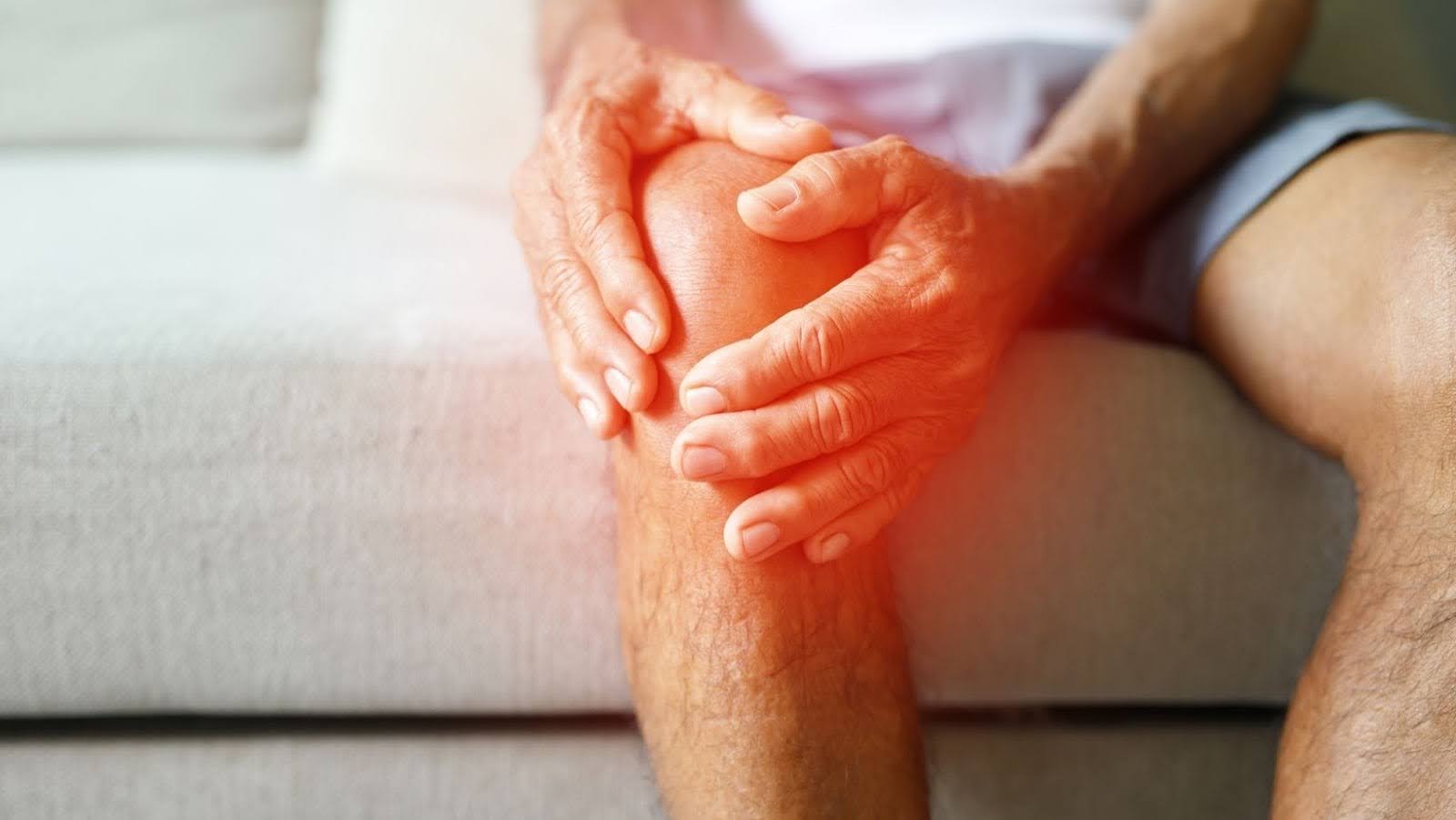
Sports injuries are common among athletes of all ages and skill levels. Whether you participate in recreational leagues, school athletics, or competitive sports, the risk of injury is always present. From sprains and fractures to dental trauma and shoulder damage, these conditions can significantly affect performance and long-term health.
Understanding the most common sports injuries and knowing how to recover safely can help prevent complications and reduce downtime. Early diagnosis, proper treatment, and structured rehabilitation are essential for restoring strength, mobility, and confidence.
Understanding the Most Common Sports Injuries
Sports injuries generally fall into several categories depending on how they occur and the tissues involved.
- Acute injuries that happen suddenly due to impact, collision, or falls
- Overuse injuries that develop gradually from repetitive motion
- Contact injuries caused by direct physical force
- Non-contact injuries resulting from improper technique or muscle imbalance
- Soft tissue injuries affecting muscles, ligaments, and tendons
- Bone injuries such as fractures and stress fractures
Risk factors include inadequate warm-up, muscle fatigue, improper equipment, and returning to play too quickly after a previous injury. Recognizing these categories helps athletes and coaches implement better prevention and recovery strategies.
Sprains, Strains, and Ligament Injuries
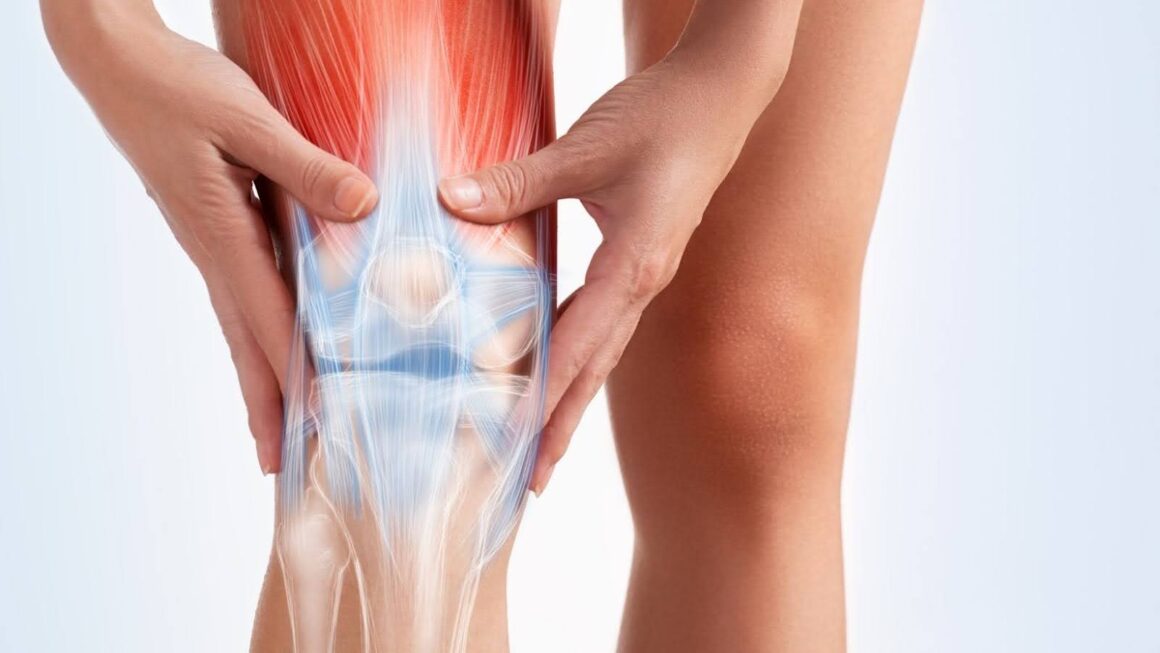
Sprains and strains are among the most common sports injuries. A sprain occurs when ligaments are stretched or torn, while a strain involves muscles or tendons. Ankles, knees, and hamstrings are particularly vulnerable.
Symptoms often include swelling, bruising, pain, and reduced range of motion. Immediate treatment typically involves rest, ice, compression, and elevation. Mild cases may resolve with conservative care, but more severe injuries may require physical therapy or medical evaluation.
Ignoring these injuries can lead to chronic instability or repeated damage. A structured rehabilitation plan that includes gradual strengthening and mobility exercises is critical for safe recovery.
Rotator Cuff Injury: A Frequent Shoulder Problem in Athletes
The rotator cuff is a group of muscles and tendons that stabilize the shoulder joint and allow overhead movement. Athletes who participate in baseball, tennis, swimming, and weightlifting are especially susceptible to rotator cuff injury due to repetitive shoulder motion.
Common symptoms include shoulder pain, weakness when lifting the arm, difficulty reaching overhead, and limited range of motion. In some cases, pain may worsen at night or interfere with daily activities.
Diagnosis typically involves a physical examination and imaging studies such as an MRI. Treatment depends on the severity of the injury. Many cases respond well to physical therapy that focuses on strengthening the shoulder stabilizers and improving flexibility. Anti-inflammatory medications and activity modification may also be recommended.
More severe tears may require surgical intervention, followed by a carefully supervised rehabilitation program. Early evaluation improves outcomes, so athletes experiencing persistent shoulder pain should seek professional care. For specialized assessment and treatment options, consider scheduling a consultation and visiting Dr. Kruse to discuss individualized recovery strategies.
Proper rehabilitation is essential to prevent chronic instability or long-term weakness in the shoulder.
Tooth Loss and Dental Trauma in Contact Sports
Dental injuries are often overlooked when discussing common sports injuries, yet they are prevalent in contact sports such as football, basketball, hockey, and martial arts. Collisions, falls, and accidental blows to the face can result in chipped teeth, fractures, or complete tooth loss.
If a tooth is knocked out, immediate action is critical. The tooth should be handled carefully, with the crown rinsed gently if dirty. Placing it in milk or a tooth preservation solution while seeking emergency dental care can improve the chances of successful reattachment.
When reimplantation is not possible, modern restorative dentistry offers effective long-term solutions. Dental implants provide a durable and natural-looking replacement for missing teeth. They help restore chewing function, maintain jawbone health, and improve confidence.
Athletes who have experienced tooth loss should explore professional treatment options and check out Doctors Implants to learn more about advanced restorative solutions. Preventive measures such as custom-fitted mouthguards can significantly reduce the risk of dental trauma during sports activities.
Fractures and Stress Injuries
Fractures occur when bones break due to direct impact or excessive force. Stress fractures develop gradually from repetitive strain, commonly affecting runners and athletes involved in high-impact sports.
Symptoms include localized pain, swelling, and tenderness that worsen with activity. Diagnosis often requires imaging such as X-rays or bone scans. Treatment typically involves immobilization, rest, and a gradual return to activity once healing is confirmed.
Failing to address stress injuries early can lead to complete fractures and extended recovery time. Monitoring pain levels and reducing activity when symptoms arise are essential preventive measures.
Concussions and Head Injuries
Concussions are traumatic brain injuries caused by a blow to the head or sudden movement that forces the brain to shift within the skull. Contact sports carry a higher risk of concussion.
Symptoms may include headache, dizziness, confusion, nausea, and sensitivity to light. Any athlete suspected of having a concussion should be removed from play immediately and evaluated by a healthcare professional.
A gradual return to sport protocol is necessary to ensure full neurological recovery. Returning too soon increases the risk of serious complications.
Safe Recovery Strategies for Athletes
Safe recovery requires a comprehensive approach. Athletes should obtain a professional medical evaluation for persistent or severe injuries. Following a structured rehabilitation program helps rebuild strength and mobility while minimizing the risk of re-injury.
Other key components include proper nutrition, hydration, adequate sleep, and mental health support. Gradual progression back to full activity is critical. Skipping rehabilitation steps or rushing recovery can lead to setbacks.
Prioritizing Long-Term Health Over Short-Term Performance
Sports injuries are an inevitable part of athletic participation, but proper management can make a significant difference in recovery outcomes. Whether dealing with sprains, rotator cuff injury, tooth loss, fractures, or concussions, early intervention and structured care are essential.
By prioritizing safe recovery practices and seeking professional guidance, athletes can protect their long-term health while maintaining peak performance. Prevention, education, and responsible return to play decisions remain the foundation of successful athletic careers.